

 Get Estimate
Date: 14-July-2025 | By: Pestofix Team
Building your dream home in Delhi NCR — whether it's in Noida, Gurgaon, Faridabad, Ghaziabad, Indirapuram or New Delhi — is exciting. But thousands of homeowners make a mistake that silently costs them lakhs: they skip pre construction termite control.
Without termite treatment before foundation work, your home becomes a target for subterranean termites that attack from below. Sadly, by the time most people notice signs, damage is already deep within walls, beams, and floors.
How Termites Attack Before You Even Move In
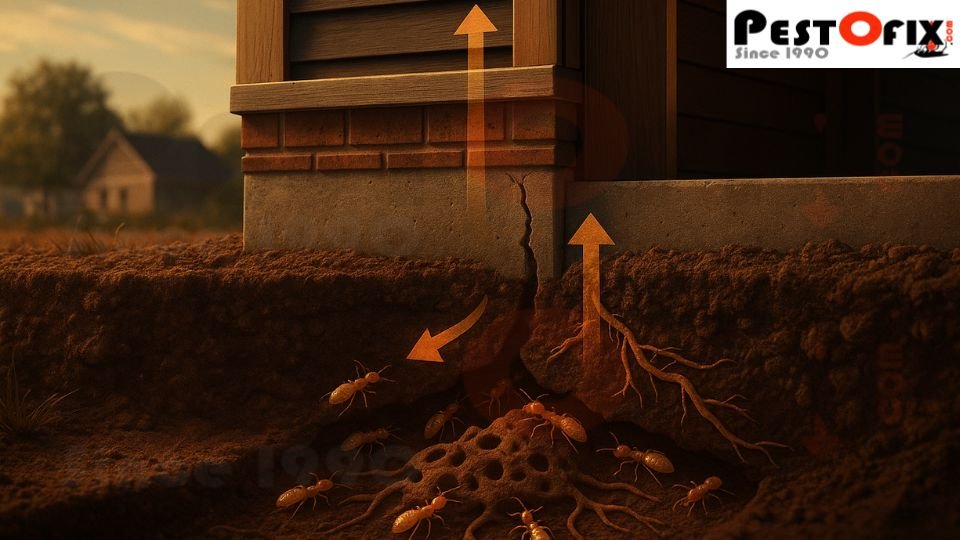
1. They Start from Soil
Termite invasions almost always begin beneath the ground. If the soil under your newly built home isn't properly treated with a pre construction termite control solution, you're leaving the door wide open for disaster. Termites live in colonies deep underground and form complex tunnel systems that can reach your home’s foundation within weeks of construction.
- Most infestations originate from untreated soil, especially in rapidly developing areas like Noida Extension and New Gurgaon.
- These underground colonies thrive in the moist soil around newly constructed homes and quickly multiply.
- IS-standard termite treatment during the pre-construction stage is crucial to stop the invasion before it starts.
2. Enter Through Expansion Joints and Foundation Gaps
Termites don’t need wide cracks to enter — they exploit even the tiniest structural flaws. Expansion joints, foundation cracks, pipe entries, and floor gaps become perfect gateways. If these areas are not sealed and chemically treated in advance, termites can crawl inside and feast silently on your home’s core.
- Cracks in the concrete slab or walls provide access to hidden wooden structures like door frames and skirting.
- Termites move silently through foundation joints without being noticed, especially in basements and low-rise homes in Faridabad, Ghaziabad, and Indirapuram.
- Untreated foundation areas are a major oversight in low-budget or rushed construction projects.
3. Cause Silent, Costly Damage
By the time you notice visible signs of termites — like hollow-sounding wood, bubbling paint, or sagging doors — the infestation is already severe. Termites cause internal structural damage long before homeowners see any warning signs. Regular pest control after construction can't undo damage that began months earlier.
- They eat from the inside out, targeting structural wood, flooring, door frames, and even load-bearing beams.
- Damage is often misdiagnosed as water seepage or seasonal wood warping.
- Delays in termite detection can result in massive repair costs — especially in wooden interiors or panel-based modern flats in Delhi NCR.
Why Termite Treatment Before Building Is Critical
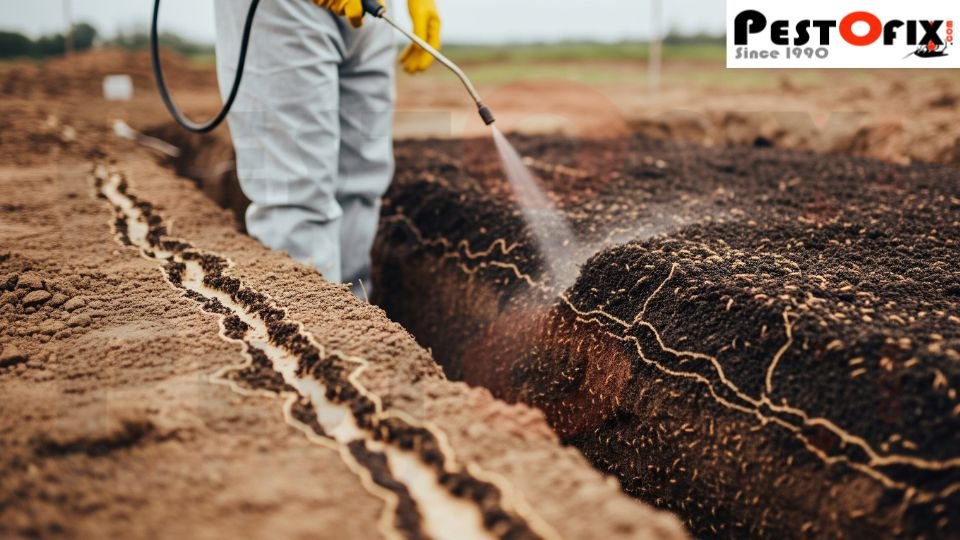
It’s Your Only Chance to Treat the Soil
Before the first brick is laid, the soil beneath your home is exposed and fully accessible. This is the only time a comprehensive pre construction termite control treatment can be applied across the entire foundation zone. Once construction begins, that window closes — and any untreated soil becomes a hidden gateway for future infestations.
- After flooring and concrete are poured, it becomes nearly impossible to reach all underground areas effectively.
- Partial or post-construction treatments are often surface-level and don’t kill termites already active deep below.
- Pre-treatment penetrates the soil and forms a long-lasting barrier that termites cannot bypass.
Delhi NCR Is a High-Risk Termite Zone
Cities like Ghaziabad, Indirapuram, and Faridabad have high soil moisture, rapid urban expansion, and patchy pest regulation — making them hotspots for termite infestations. If your plot lies in these zones, skipping termite soil treatment could spell disaster.
- Termite outbreaks are frequent due to loose soil and poorly treated neighboring plots.
- Societies and builder floors often share interconnected underground termite tunnels.
- Construction near green belts or water bodies in these areas worsens termite vulnerability.
Prevention Is 80% Cheaper Than Repairs
Treating your soil before building not only blocks termite access but also protects your financial investment. Compared to repairing structural termite damage, pre-construction termite treatment in Delhi NCR costs a fraction.
- Repairing termite damage may require replacing wooden frames, ripping up flooring, or even treating support beams.
- Post-construction fumigation often involves multiple visits, disruption, and still limited results.
- Investing once in IS-standard termite soil treatment can save lakhs in future repairs and restoration.
Most Common Mistakes People Make
- Not verifying termite treatment status early: During construction planning, it's easy to overlook whether soil termite protection has been scheduled — clarifying this early ensures your home is fully safeguarded from the ground up.
- Choosing based on lowest price: Budget-focused decisions can lead to the use of ineffective or short-term treatments, offering little real protection.
- Delaying until later stages: Termite control is most effective when done before the foundation concrete is poured — not after walls are up.
What a Proper Pre Construction Termite Control Service Looks Like
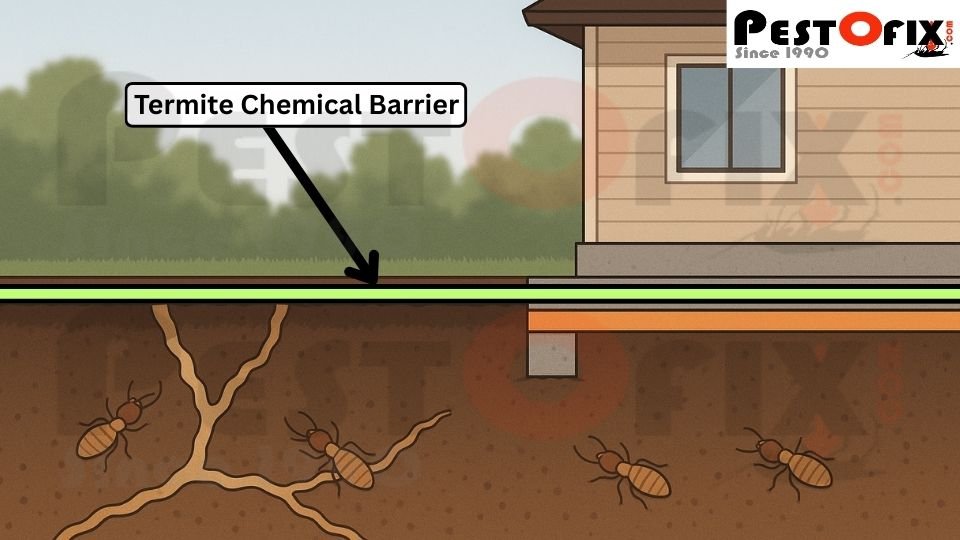
- Soil treatment before slab: High-pressure spraying of anti-termite solution on entire plot surface and trenches.
- Post-construction slab spray: Application after PCC and before floor tiles are laid — critical for full coverage.
- Odorless, child-safe chemicals: Pestofix uses government-approved, eco-friendly solutions safe for families.
- Certificate of protection: We provide documented proof for resale value and future assurance.
We had to drill and inject termiticide across all floor edges. The cost was 4x more than what pre-construction treatment would have been — and the furniture damage was irreversible.
Don't wait for termites to show up — protect your future home with pre construction termite control by Delhi NCR’s leading professionals.