

 Get Estimate
Date: 26-May-2025 | By: Pestofix Team
It’s a scene most homeowners dread: you hear a faint scurrying at night, find mysterious droppings in a corner, or catch a flash of movement out of the corner of your eye. Rats. But wait — your home is clean. You mop daily, keep the kitchen spotless, and store food properly. So how on earth did rats get in? And more importantly, what are they doing now that they’re inside?

The truth is, cleanliness alone isn’t enough to keep rats out. These crafty invaders are experts at slipping into even the most well-kept homes — and once they’re in, the risks go far beyond a little mess. From structural damage to serious diseases, a rat infestation can quietly turn your safe space into a serious health hazard.
How Rats Sneak Into Even the Cleanest Homes
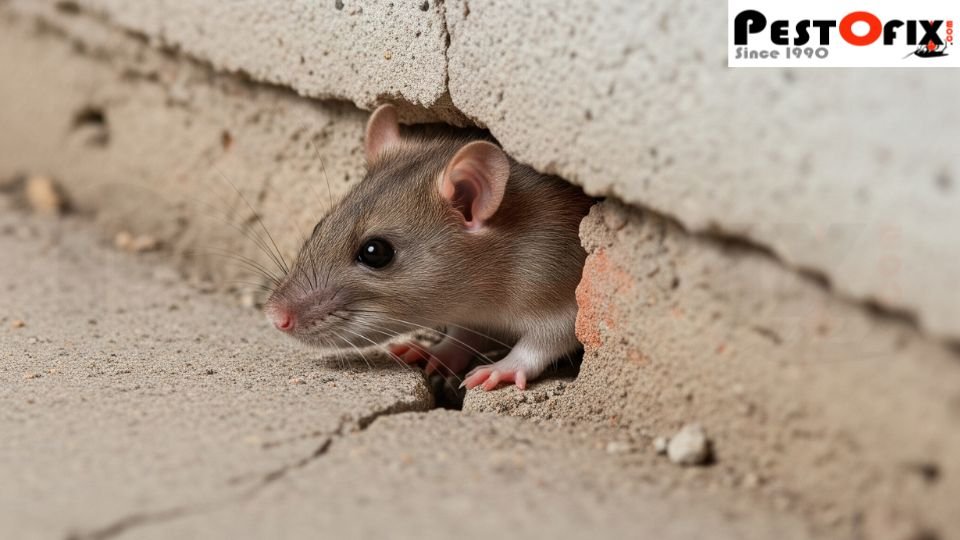
Rats don’t need filth to thrive — they just need access. Homes in urban and suburban areas like Delhi NCR are especially at risk due to ongoing construction, open garbage systems, and shared walls in apartment buildings. Here’s how they usually get in:
- Cracks in walls, roofs, or foundations — as small as 1/2 inch
- Unsealed drain pipes and broken sewer lines
- Gaps around doors, windows, and AC vents
- Climbing trees or cables to reach rooftops and attics
Even new, well-maintained homes can have tiny vulnerabilities that rats exploit. They’re persistent, strong chewers, and excellent climbers. If there’s a way in, they’ll find it.
What Rats Do Once They’re Inside
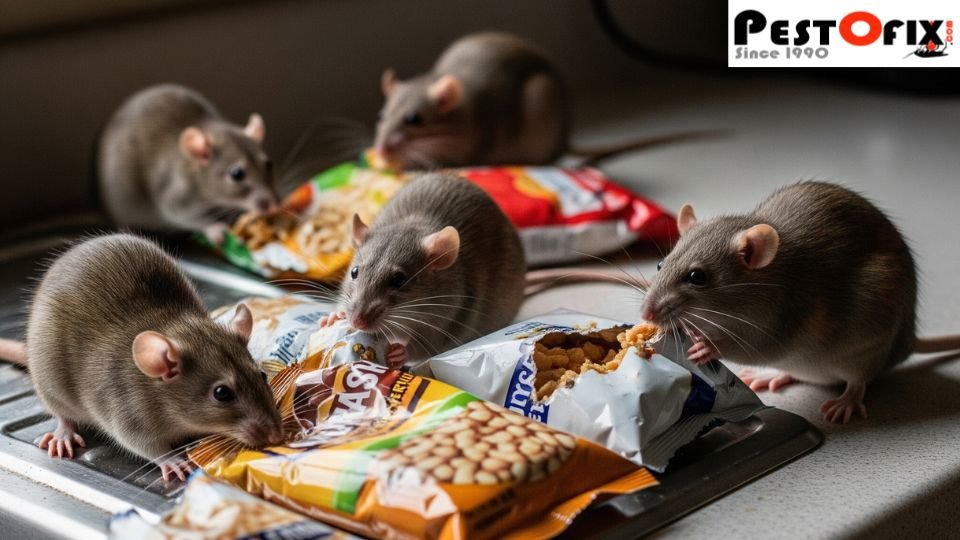
Once inside, rats don’t waste time. They scout out food sources, shelter, and nesting materials. And they’re fast — a single rat can explore your entire kitchen in a night. They chew wires, shred insulation, and tear up paper or fabric to build nests. Even worse? They often set up shop inside walls, under floors, or in ceiling voids — places you can’t easily reach.
The Real Cost of Ignoring a Rat Infestation
Many homeowners delay taking action, thinking one rat is no big deal. That’s a dangerous mistake. Left unchecked, rats multiply rapidly and begin causing serious damage:
- Chewed electrical wires (a major fire hazard)
- Contaminated food and cooking surfaces
- Damaged insulation, drywall, and wooden structures
- Foul odors from urine, droppings, and even dead rats
Beyond the physical damage, the mental toll is real. Knowing rats are active in your home causes stress, sleepless nights, and anxiety — especially for families with children.
Diseases That Rats Can Bring Into Your Home

Rats are not just annoying — they’re dangerous. Their droppings, urine, and bites can transmit a range of serious illnesses. Here are a few to be aware of:
- Leptospirosis: Can cause liver or kidney failure, often spread through contact with rat urine.
- Rat-bite fever: A bacterial infection that can result from bites or contaminated surfaces.
- Salmonellosis: Spread through food contaminated by rat droppings or urine.
- Hantavirus: Transmitted by breathing in dust that’s been contaminated with rat droppings or urine.
Young children, the elderly, and those with weakened immune systems are especially vulnerable. Even a seemingly minor rat problem can pose major health risks if left untreated.
Why Professional Rat Control Is the Only Safe Bet
DIY traps and poison might catch one or two rats — but they don’t address the real problem: entry points, nests, and the potential for reinfestation. Professional pest control teams use a multi-step approach that includes:
- Thorough inspection of your property for hidden entry points
- Safe and targeted removal of existing rats
- Sealing up access areas to prevent future infestations
- Ongoing monitoring and maintenance
In places like Gurgaon, where construction and waste disposal are constant challenges, regular pest inspections should be as routine as cleaning your home. Prevention is always cheaper — and safer — than cure.
Conclusion: From Safety to Hazard in Just Days
Rats don’t care how clean your home is. They only care about food, shelter, and access — and once they find those, the consequences for your health and property can be severe. From gnawed wires and food contamination to serious diseases, these pests turn your sanctuary into a danger zone faster than you think.
The good news? You don’t have to face it alone. The moment you suspect a rat problem, act fast. With the right support, you can protect your home, your health, and your peace of mind.