

 Get Estimate
Date: 16-Apr-2025
Rodents might be small, but the damage they can cause is no joke—especially when they start gnawing on your electrical wires. If you've ever wondered whether mice or rats can actually chew through your home's wiring, the short answer is: absolutely, yes. Even worse, it's not just a nuisance—it’s a serious fire hazard. The good news? There are steps you can take right now to stop it in its tracks.
Why Do Rodents Chew Wires in the First Place?
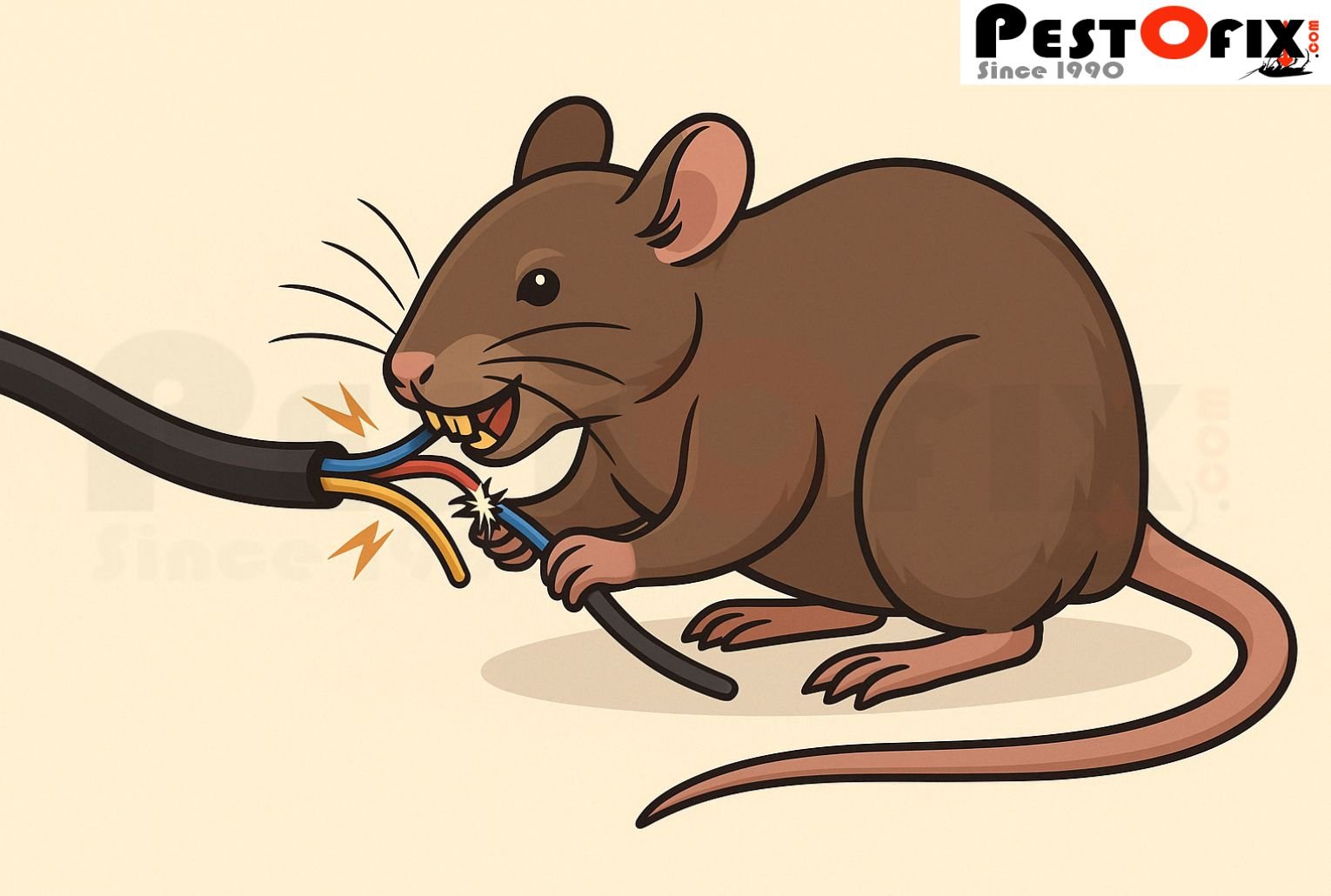
Rodents have a biological need to gnaw constantly. Their teeth never stop growing, so they chew on hard objects to keep them trimmed. Unfortunately, your home's electrical wires feel just right to them—especially if they're easy to reach and hidden away behind your walls.
Common reasons rodents target wires:
- To file down their continuously growing teeth
- Warmth from wires attracts them in colder months
- Wires hidden in crawl spaces or attics are undisturbed and ideal for nesting
What Kind of Damage Can They Cause?
At first glance, a chewed wire might seem like a minor inconvenience. But the truth is, it can lead to major problems like:
- Short circuits and power outages
- Appliance malfunctions or total failure
- Electrical fires caused by exposed live wires
- Costly repairs, both for your wiring and potential fire damage
How to Spot the Signs of Rodent Damage
You won’t always see a rat running across your living room, but there are clear signs to look for:
- Flickering lights or randomly tripping breakers
- Burning smells with no clear source
- Chewed insulation or exposed wiring in your attic or basement
- Droppings or nesting materials near electrical panels or appliances
How to Stop Rodents from Chewing Wires (Immediately)
If you’re dealing with this problem, don’t wait. Here’s what you can do right now:
1. Seal Entry Points
Walk around your home and look for holes, cracks, or gaps that mice could squeeze through (they only need a space the size of a coin!). Seal them with metal mesh or steel wool—materials rodents can't chew through.
2. Declutter and Eliminate Food Sources
Rodents love messes. Keep your storage areas tidy, avoid leaving pet food out, and make sure trash bins are sealed tight.
3. Use Rodent Deterrents
Try these to repel rodents without resorting to poison:
- Ultrasonic repellents plugged into outlets
- Natural deterrents like peppermint oil or ammonia-soaked rags
- Rodent-proof cable sleeves (metal or hard plastic tubing for wires)
4. Set Traps Strategically
Snap traps, glue boards, or live traps can be effective if placed near suspected rodent activity zones. Always keep traps away from kids and pets.
5. Call a Professional If It’s Out of Hand
If you’re hearing scratching in the walls, smelling something off, or finding signs of nests, it’s time to bring in pest control. The longer you wait, the more they’ll chew—and the higher your risk of fire or electrical failure.
Can You Prevent This From Happening Again?
Absolutely. Prevention is the best strategy. Once you’ve gotten rid of any existing rodents, take these steps to keep them out for good:
- Install wire mesh over attic vents and chimney openings
- Keep vegetation trimmed and away from your home’s foundation
- Schedule annual inspections for pest activity and electrical safety
Conclusion: Don’t Let Rodents Set Your House on Fire
Rodents chewing on your wires isn't just gross—it’s dangerous. But with some immediate action, you can protect your home, your electronics, and your peace of mind. Don’t wait until your lights go out or, worse, your smoke alarm goes off. Seal those entry points, use deterrents, and call in the pros if things escalate. Because when it comes to pests and electricity, it’s always better to be safe than sorry.