

 Get Estimate
Date: 27-May-2025 | By: Pestofix Team
They’re Tiny, But the Danger Is Massive

You take great care of your pet—you bathe them regularly, keep their bedding clean, and make sure they get their walks. But what if we told you that a single tick can slip through all that care and turn your furry friend into a carrier of disease? It’s not just about the bites anymore—ticks can bring serious, even life-threatening infections into your home. And they don’t need your permission to do it.
In this blog, we’ll dive into how ticks really operate, what your pet might be unknowingly carrying in their fur, and the hidden risks that can affect your entire household.
How Ticks Latch On Without You Noticing

Ticks are stealthy. Unlike fleas, they don't jump or fly. Instead, they wait patiently on tall grass or shrubs and crawl onto your pet as they brush past. This sneaky behavior is called “questing.” Once onboard, they find warm, hidden spots—like behind the ears or under collars—and begin feeding.
- Ticks can go unnoticed for days while feeding.
- They release a mild anesthetic so your pet doesn’t feel the bite.
- They transmit infections directly into the bloodstream.
What Exactly Are Ticks Infecting Your Pet With?
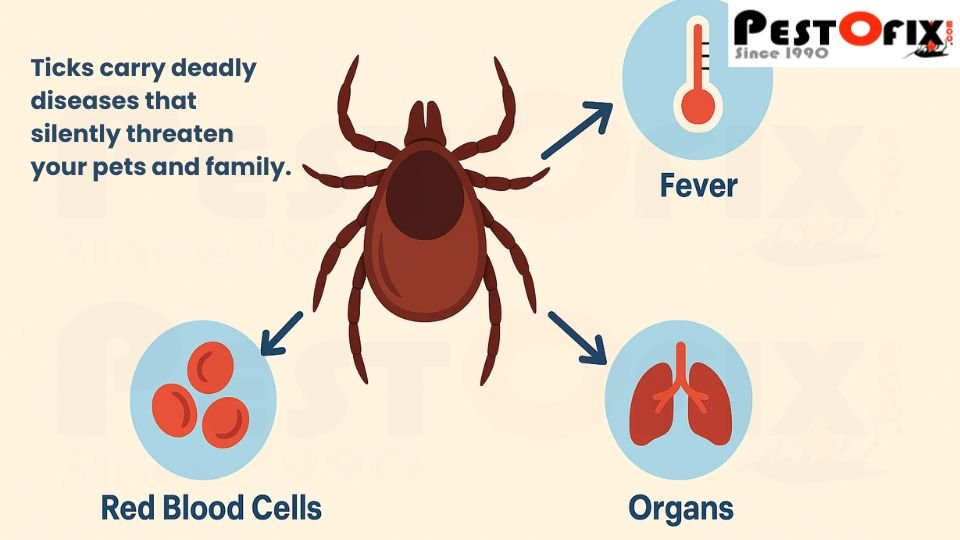
A tick bite isn’t just a bite. It can be a gateway for dangerous pathogens that affect both pets and humans. Some of the most common tick-borne diseases in India include:
- Canine Ehrlichiosis – causes fever, lethargy, and bleeding disorders.
- Babesiosis – attacks red blood cells, leading to anemia and organ damage.
- Tick Fever – a general term for infections that cause weakness, weight loss, and fever.
These diseases often go undiagnosed until they become serious. And if a tick falls off inside your home, it could look for a new host—maybe even you.
But My Pet Looks Fine… What’s the Big Deal?

This is where it gets tricky. Pets often show little to no symptoms in the early stages of infection. Meanwhile, the tick continues its life cycle in your home—laying eggs in carpets, sofas, and pet bedding.
- Female ticks can lay thousands of eggs in hidden areas.
- These eggs hatch into larvae that wait for a new host.
- Within weeks, your "clean" home can become a tick breeding ground.
Infections can then pass from pets to humans via ticks that reattach to family members. Children and elderly individuals are especially at risk due to weaker immune systems.
Warning Signs Your Pet Might Be Carrying Ticks

Be alert for these symptoms, which could indicate a tick bite or infection:
- Sudden weakness or fatigue
- Loss of appetite
- Fever or warm nose
- Unusual bleeding or bruising
- Itching or scabs in hidden fur areas
If you spot any of these, consult your vet immediately—and check your home for signs of infestation.
Professional Pest Control Treatment: The Best Defense for Your Pets and Home
Routine cleaning helps, but to truly protect your pets and family, you need expert pest control services:
- Get professional pest control treatments specifically targeting ticks inside and around your home.
- Ensure thorough inspection and treatment of carpets, pet bedding, sofas, and other hidden spots.
- Maintain regular deep cleaning and vacuuming to remove ticks, eggs, and larvae effectively.
- Keep pet bedding clean by washing regularly in hot water and drying on high heat.
- Schedule periodic pest control visits, especially during tick-prone seasons like summer and monsoon.
Conclusion: Don’t Wait for a Tick to Teach You a Lesson
Ticks aren’t just an outdoor problem. They’re a mobile, infectious threat your pet can unknowingly bring into your safe space. Once inside, they multiply quickly, risking your pet’s health—and yours. The cost of ignoring a tick infestation can be far greater than a vet bill or cleaning session. It can mean long-term illness, emotional distress, and dangerous exposure to disease.
Love your pet? Then take ticks seriously. Inspect often, treat early, and always have a pest control plan in place. Your pet—and your family—deserve a home that’s truly safe.