

 Get Estimate
Date: 09-Apr-2025
Introduction: The Hidden Threat Beneath Your Walls
Most Indian homeowners assume that concrete walls and foundations are termite-proof—but this couldn’t be further from the truth. While termites can't digest or chew concrete, they can still exploit the tiniest cracks and crevices to reach the wooden structures hidden within your home. The shocking reality? Even new constructions aren't safe. Left undetected, a termite infestation can silently eat away at the skeleton of your house, causing severe damage and costly repairs.
1. Termites Can’t Eat Concrete—But They Can Bypass It
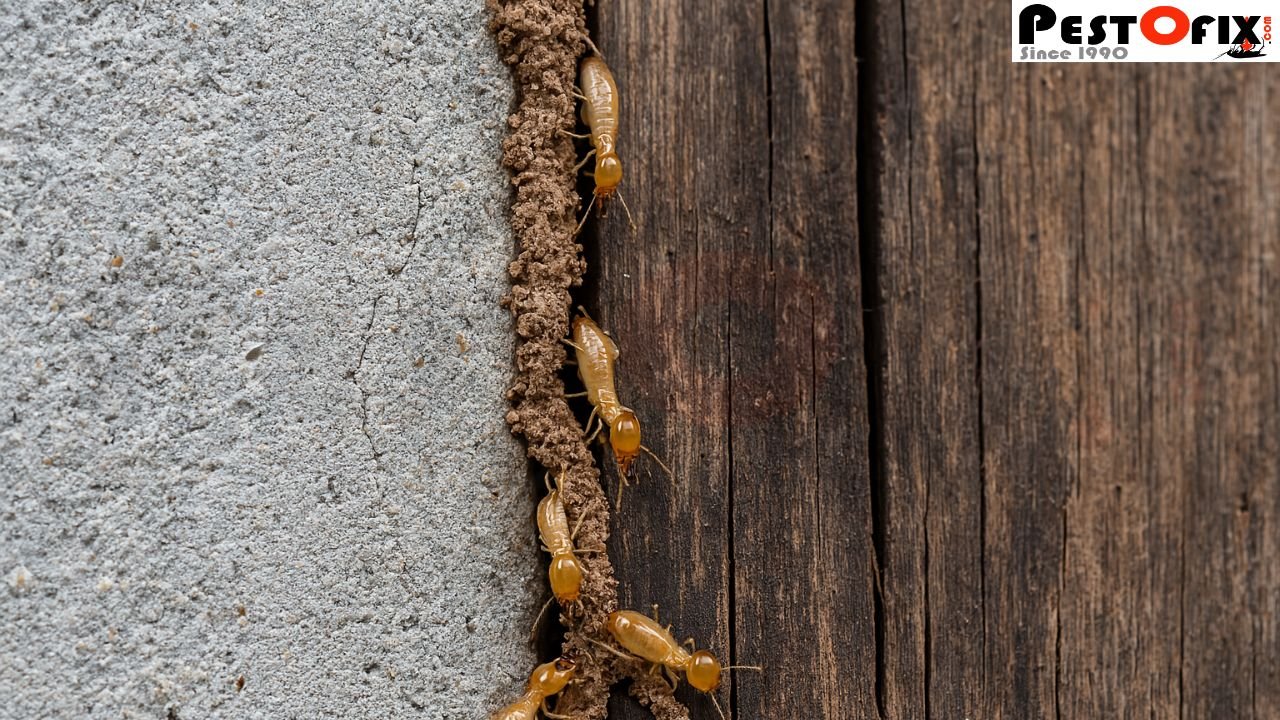
Concrete itself is not a food source for termites. However, they are relentless explorers. Indian homes often have microscopic cracks in concrete slabs or poorly sealed joints, especially in humid regions. Termites use these gaps as passageways, building mud tubes to reach wooden beams, door frames, furniture, and internal walls.
2. Indian Climates Are Perfect for Termites
The tropical and subtropical climate across much of India provides an ideal environment for subterranean termites. These pests thrive in moist conditions—making basements, kitchens, and bathrooms their favorite entry points. Concrete doesn’t deter them; it only slows them down.
- Example: A 2023 report by the Central Building Research Institute noted increased termite activity in homes across Delhi NCR and coastal states during monsoon season.
- Tip: Regularly inspect areas where concrete meets soil or wooden structures—especially in older homes.
3. Termites Cause Invisible Damage—Until It’s Too Late
Unlike pests that make noise or leave droppings, termites work silently. They can hollow out doors, skirting boards, and even support beams without being noticed. You may first discover them when the wood sounds hollow, bubbles form in paint, or tiles become loose—by then, structural damage could already be significant.
4. Myths About Concrete-Safe Homes
One common myth is that RCC (Reinforced Cement Concrete) construction eliminates termite risk. The truth is, termites can tunnel through small gaps where pipes enter walls or between concrete joints. Unless these areas are properly sealed and chemically treated, they remain vulnerable.
- Fact: Termites don’t chew concrete—they navigate around or through it via cracks as narrow as 1/32 inch.
- Action: Use anti-termite chemical treatment before laying foundation slabs or tiles.
5. Termite Infestation in Indian Flats and Apartments
Even high-rise flats are not immune. Termites can travel vertically through expansion joints or utility lines shared between apartments. In multi-storey housing, once one unit is infested, neighboring units are at risk—especially if wooden interiors are abundant and maintenance is delayed.
6. Prevention Is Cheaper Than Repairs
Pre-construction termite treatment is the most cost-effective method, but even after construction, regular inspections and barrier applications can save thousands. Indian homeowners often delay treatment until major signs show—by then, repairing wooden fixtures, repainting, and replacing flooring can be very expensive.
- Cost Insight: Pre-construction termite treatment costs vary based on the plot size and the severity of infestation.
- Pro Tip: Insist on termite-proof wood or treated plywood during interior design and construction.
Conclusion: Concrete Alone Is Not Enough
The belief that termites can't damage concrete homes is a dangerous misconception. In reality, concrete only masks the vulnerability beneath. With India’s humid climate and growing urban development, termite protection is no longer optional—it’s essential. Don’t wait for sagging doors or crumbling skirting to take action. A small investment in prevention today can save your home tomorrow.