

 Get Estimate
Date: 05-January-2026 | By: Pestofix Termite Control Specialists
Termite damage rarely begins with visible warning signs. At the start of every year, termite activity shifts silently beneath floors, inside walls, and below foundations — often months before property owners notice any symptoms.
This professional outlook explains why early-year termite risks deserve serious attention and how delayed action often results in irreversible structural damage by mid-year.
Why the Beginning of the Year Is Critical for Termite Activity

Termites do not follow visible seasonal patterns like flying insects. Their activity is driven by moisture, soil temperature, and uninterrupted access to cellulose-based materials.
- Colonies remain active beneath soil and flooring
- Moisture retained from previous seasons accelerates movement
- Wooden structures provide uninterrupted food sources
- Damage progresses internally without surface indicators
Early-year termite activity sets the foundation for damage that becomes visible rememberable much later.
Why Termite Damage Is Rarely Detected Early
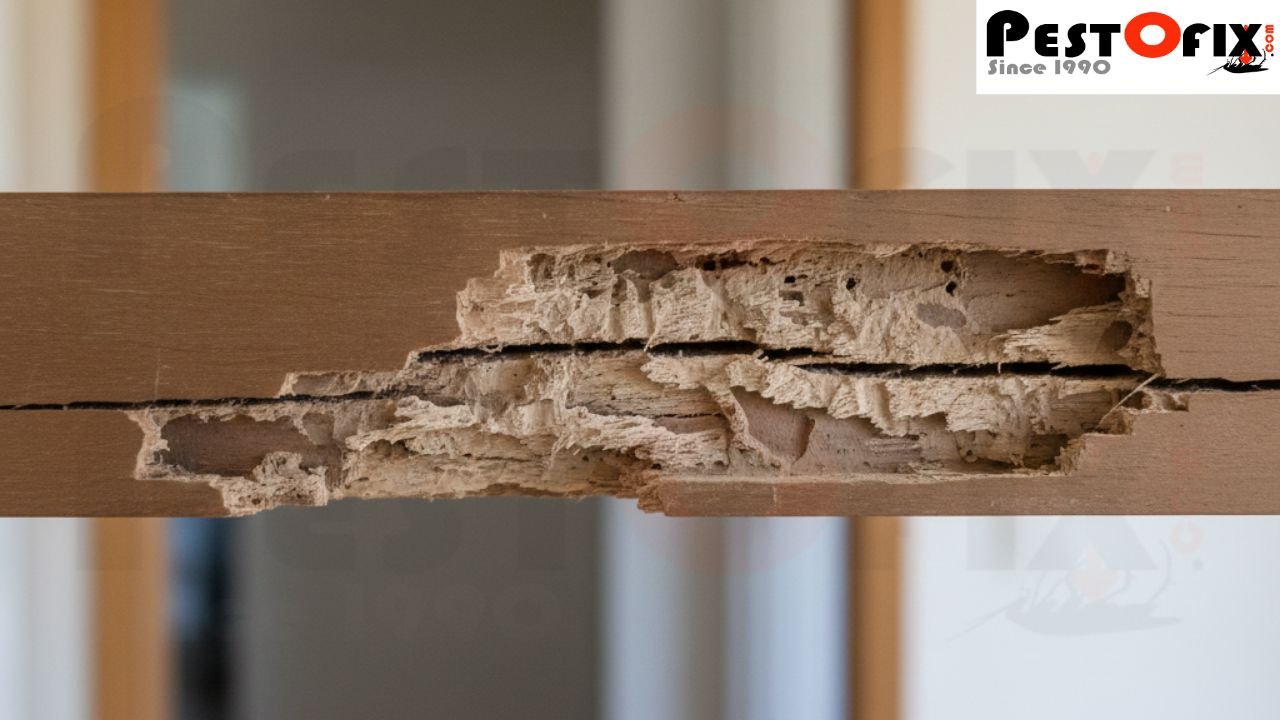
Unlike surface-level pests, termites operate entirely within concealed environments.
- Walls and flooring conceal feeding tunnels
- Painted or laminated surfaces hide internal decay
- Damage progresses quietly without visible debris
- Infestations remain active for months undetected
By the time visible signs appear, structural weakening has often already occurred.
Why New Constructions Are Not Immune to Termites
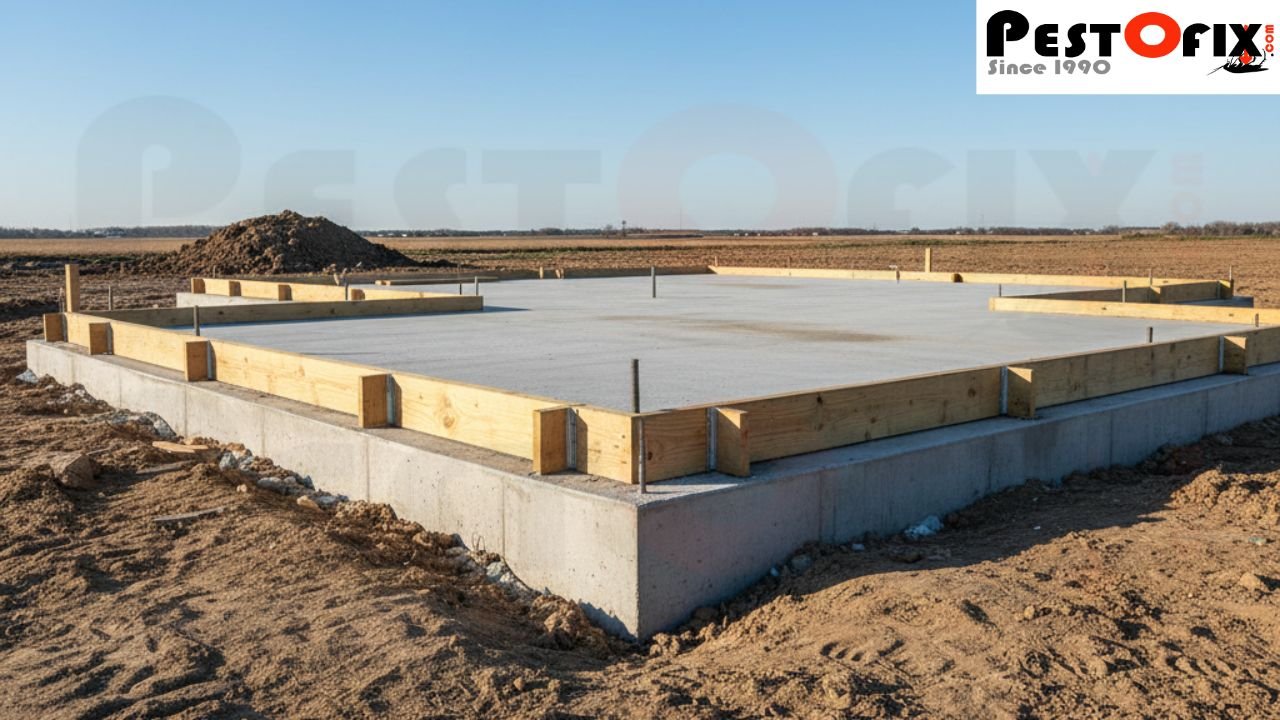
A common misconception is that termites only affect old or poorly maintained properties.
- Untreated soil attracts subterranean termites
- Construction moisture accelerates colony settlement
- Wooden door frames and fittings remain vulnerable
- Early infestations often go unnoticed
Without preventive measures, new constructions can face termite damage within the first year.
Why Termite Risks Increase Each Year
Urban expansion, environmental changes, and construction density have increased termite pressure on residential and commercial properties.
- Increased underground moisture retention
- Higher concentration of cellulose materials
- Shared foundations in urban developments
- Limited natural predators in cities
These conditions allow termite colonies to expand unchecked when preventive controls are absent.
Why Waiting for Visible Signs Is a Costly Mistake
Termite infestations rarely announce themselves early. Delaying action until damage becomes visible often results in higher treatment complexity and repair costs.
- Structural strength is already compromised
- Colonies expand beyond initial entry points
- Repair costs exceed treatment costs
- Damage spreads across multiple zones
Preventive inspection at the start of the year is far more effective than corrective treatment later.
How Professional Termite Prevention Works
Professional termite prevention focuses on identifying risk zones before colonies establish dominance.
- Foundation and soil inspection
- Moisture source identification
- Targeted soil and structural treatment
- Long-term barrier creation
Early-year termite prevention disrupts colony establishment before structural damage begins.
Termite Control Is About Early Intervention, Not Emergency Repair
The most severe termite damage cases often begin with months of unnoticed early activity.
Addressing termite risks at the beginning of the year protects structural integrity, reduces long-term costs, and prevents disruptive emergency treatments later.