

 Get Estimate
Date: 11-February-2026 | By: Pestofix Residential Termite Research Desk
After completing their first termite treatment, many homeowners believe the problem is permanently solved. The absence of visible termites often creates a false sense of security, leading to the assumption that no further attention, monitoring, or follow-up is required.
This belief is one of the most common and costly mistakes in termite management. Termites operate silently, often remaining active within structures long after surface activity appears to stop. Understanding this mistake is essential to protecting homes from hidden and ongoing damage.
Believing Termites Are Gone Just Because Activity Is No Longer Visible
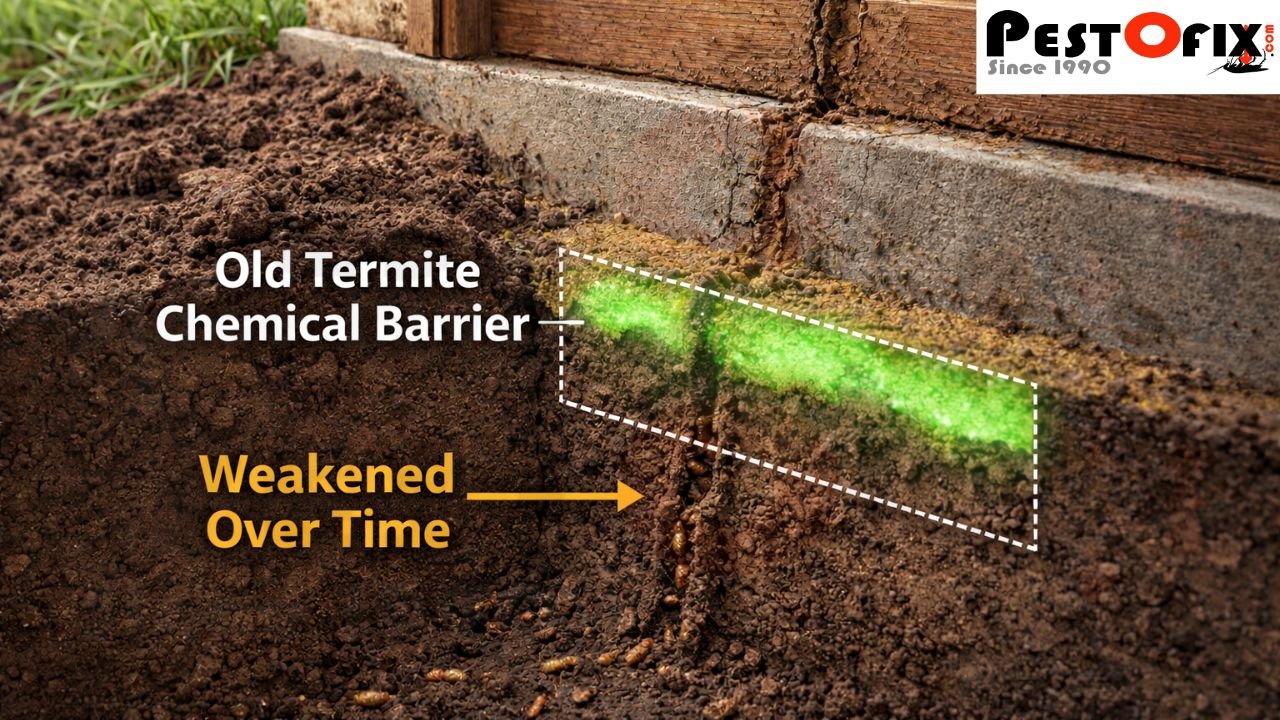
Termites are rarely seen once they retreat deeper into walls, flooring, or structural wood.
- No visible mud marks or insects after treatment
- Assuming silence means elimination
- Ignoring hidden structural zones
This assumption allows undetected colonies to continue causing damage internally.
Skipping Follow-Up Checks After the First Treatment

Many homeowners assume a single visit resolves the entire issue.
- No reassessment of previously affected zones
- Changes in moisture or structure ignored
- Infestation progress remains unchecked
Termite management requires observation beyond the first intervention.
Underestimating How Termite Colonies Function
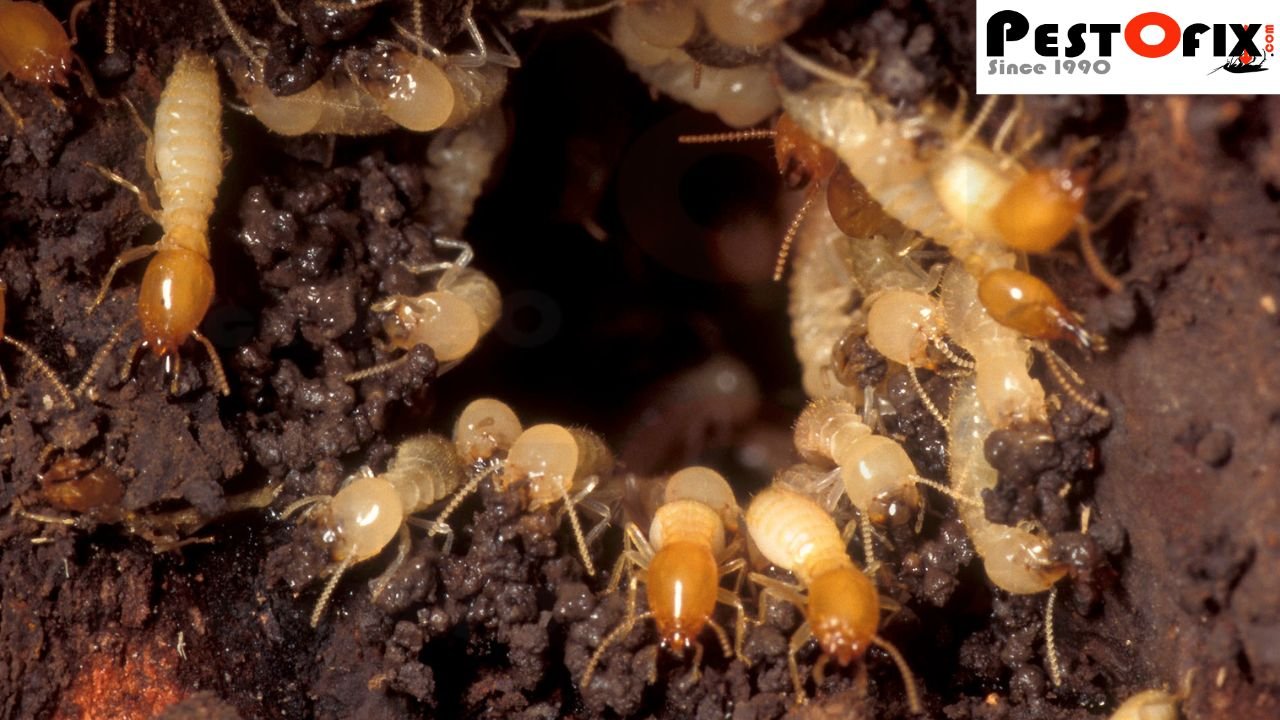
Termites live and operate deep within structures, often far from visible entry points.
- Colonies may extend beyond treated zones
- Multiple access points often exist
- Activity continues below floors and walls
This complexity makes one-time assumptions unreliable.
Assuming Termites Will Eventually Go Away on Their Own
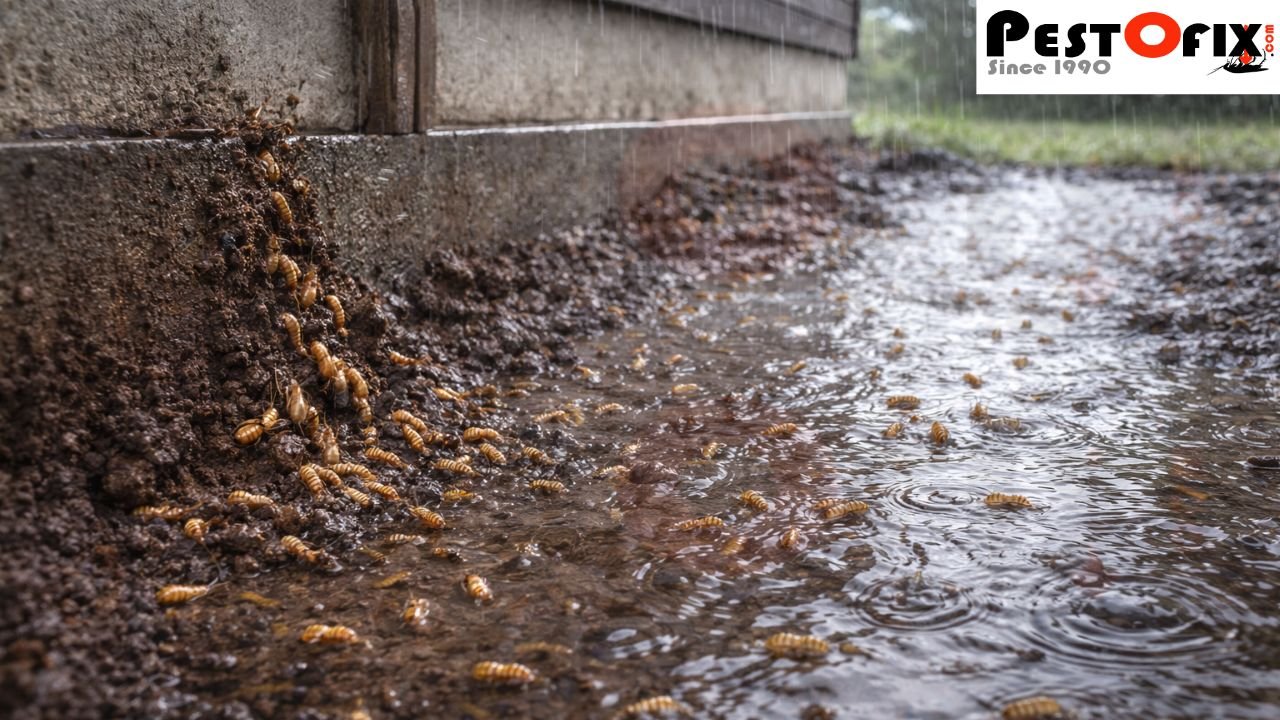
Termites do not leave simply because conditions appear calm.
- Stable food sources remain available
- Moisture conditions continue supporting activity
- Colonies adapt to environmental changes
Without monitoring, termite presence may continue undetected for years.
Ignoring New Risk Factors After Treatment
Homes naturally change over time due to renovations, plumbing work, and environmental shifts.
- New wooden furniture or fittings
- Water leakage or dampness
- Seasonal moisture changes
- Construction activity nearby
Each change can introduce fresh termite risk if not professionally evaluated.
Why Termite Control Requires Ongoing Awareness
Termite activity is rarely a one-time event. It is influenced by structural conditions, environmental factors, and long-term habitat suitability within and around a property.
Professional termite management focuses on observation, risk assessment, and periodic evaluation rather than one-time assumptions of permanent resolution.