

 Get Estimate
Date: 22-May-2025 | By: Pestofix Team
Let’s face it — if you live in Gurugram/Gurgaon, you’ve probably had an encounter with termites. Maybe it was hollow wooden furniture, crumbling doors, or those little mud tubes sneaking up your walls. Whatever the case, you’re not alone. Gurugram has quietly earned a reputation as India’s termite capital — and it’s not just bad luck.
In this blog, we’ll break down why termites are such a massive problem in this part of the country, why quick-fix or DIY solutions often make things worse, and what you actually need to do to keep your home or building protected for good.
Why Is Gurugram So Infested With Termites?
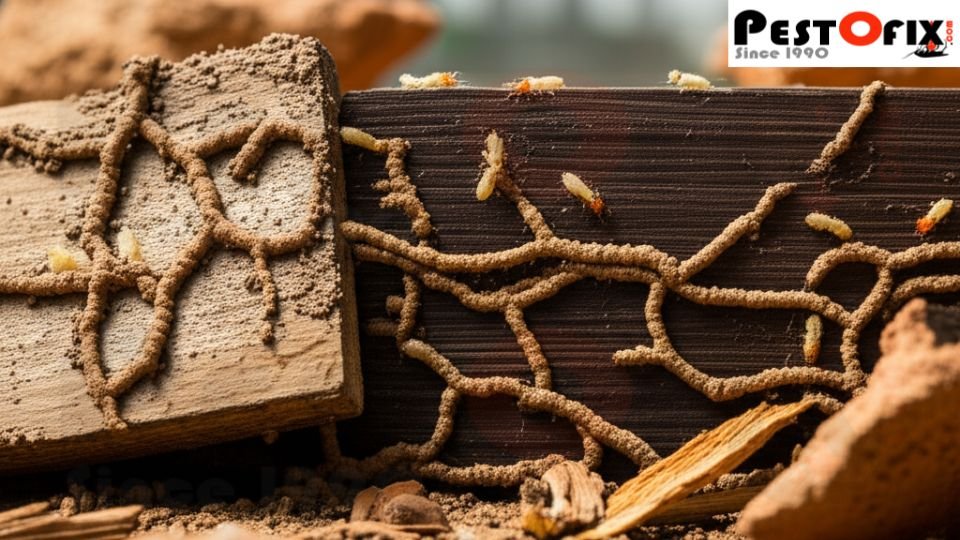
You might wonder: “Why Gurugram? Aren’t Delhi and Noida affected too?” Absolutely — termite infestations are a major problem across the NCR. But Gurugram stands out due to a unique mix of environmental, geographical, and human factors that make it especially vulnerable.
- Soil Type: Gurugram has sandy, loose soil — the kind termites love because it’s easy to tunnel through.
- High Humidity Levels: Moisture in the air and ground creates the perfect breeding ground for subterranean termites.
- Uncontrolled Urban Expansion: Rapid construction with minimal anti-termite protocols has created a buffet for termites.
- Improper Waste Management: Dumped wood, construction debris, and damp waste attract colonies faster than you’d think.
Put simply, Gurugram/Gurgaon offers termites an all-you-can-eat buffet. And they’re dining like royalty.
Why One-Time Termite Treatments Just Don’t Work
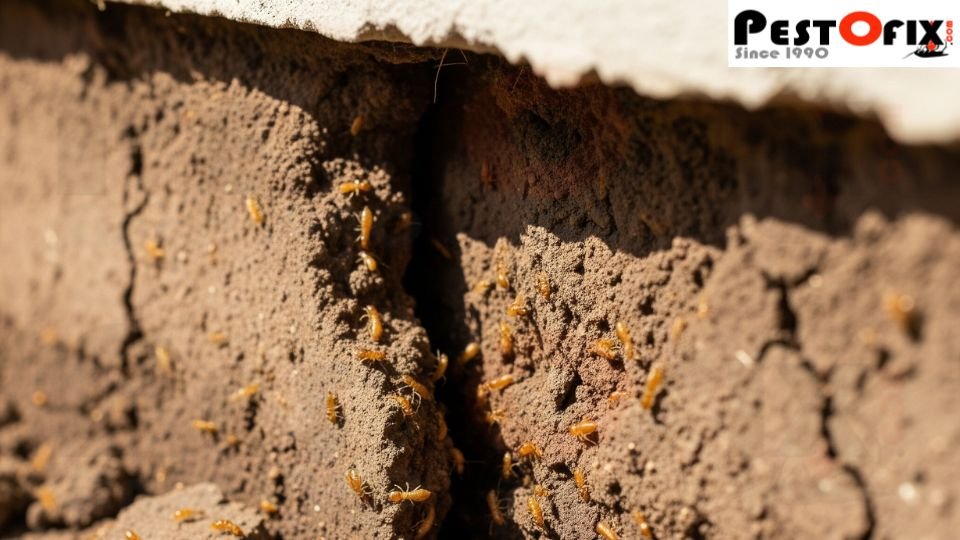
One of the biggest myths out there is that a single termite treatment will solve the problem for good. It won’t. Here’s why:
- Spot Treatments = Temporary Relief: Treating only visible areas ignores the hidden colony underground.
- Termites Rebound Fast: Even a few survivors can rebuild a full colony in just months.
- Soil Gets Disturbed: Any landscaping, plumbing, or renovation can break the protective barrier and reopen access.
If your current provider is promising “permanent protection” after one visit — run. That’s not how termite biology works.
Why DIY Termite Control Often Backfires
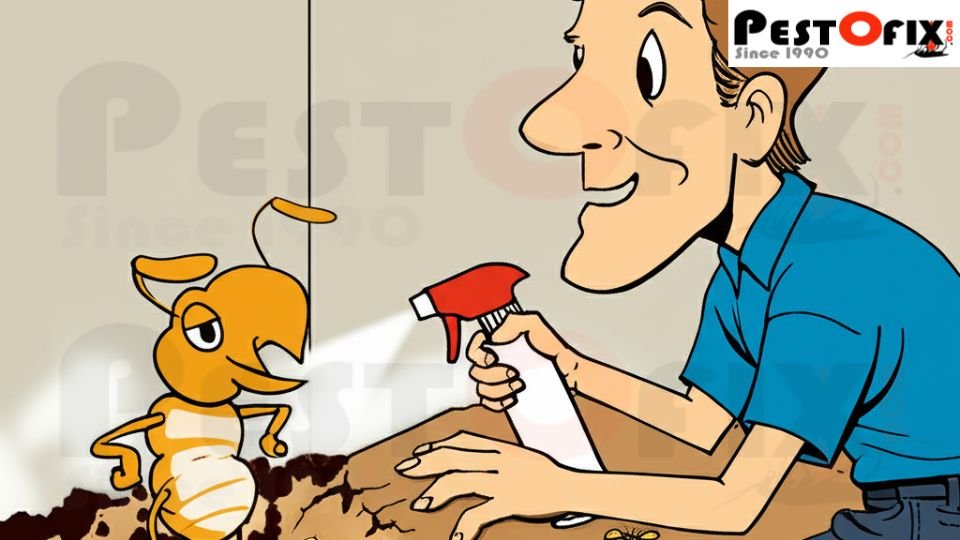
We get it — you see termites and you want them gone ASAP. So you search for a spray or home remedy on YouTube. But here’s the truth:
- DIY Misses the Root Problem: You’re only treating what you can see, not the massive colony underneath.
- Cheap Chemicals = Bigger Problems: Some over-the-counter solutions only push termites deeper into your walls or floors.
- No Monitoring or Maintenance: There’s no follow-up, no inspections, and no accountability.
DIY might feel satisfying for a day or two. But long-term? It’s like putting a Band-Aid on a leaking pipe.
Commercial Properties Are at Even Greater Risk
If you think residential homes have it bad, commercial properties in Gurugram are a termite’s dream:
- Multiple Entry Points: Parking lots, gardens, and drain pipes are all access highways for termites.
- More Furniture, More Damage: Offices and shops are filled with wood — from storage to wall panels.
- Inconsistent Maintenance: Most commercial buildings lack regular pest inspections or monitoring systems.
Once termites get into a commercial structure, the cost of damage can be catastrophic — often running into lakhs.
What You Should Actually Do to Stay Protected
The good news? You can win the battle — but not with a passive mindset. Here’s what works:
- Get a Professional Inspection Every Year: Prevention is always cheaper than damage control.
- Use Integrated Termite Management (ITM): This combines soil treatment, baiting, and regular monitoring.
- Demand Full Coverage: If you’re getting a treatment, ensure it includes walls, floors, wooden fixtures, and external entry points.
- Go Beyond “One-Time” Thinking: The best pest control is proactive and ongoing — not reactive and rushed.
It’s not about scaring you — it’s about saving your investment before it becomes termite food.
Final Thoughts: It’s Time Gurugram Took Termites Seriously
Termites aren’t a seasonal problem. They’re a structural threat — one that’s been allowed to grow quietly because of short-term thinking, poor practices, and misinformation.
If you live or work in Gurugram, you need to stop thinking of termite control as a once-in-a-while fix and start treating it like health insurance for your property — essential, ongoing, and non-negotiable.
The termites aren’t going anywhere. But with the right plan, neither is your home or business.