

 Get Estimate
Date: 17-Apr-2025
It’s easy to forget about termites—until they make you regret it. When your home is fully built and beautiful, termite treatment might not feel like a top priority. But here’s the harsh truth: ignoring termite control for even a few years can lead to shocking levels of destruction that go far beyond what you can see. From silent structural damage to skyrocketing repair costs, termites can quietly undo everything you’ve invested in your home. Let’s dive into what really happens when termites are left to roam ly for years without treatment.
Termites Don’t Stop—They Multiply
One of the biggest misconceptions homeowners have is that if they haven’t seen termites, they don’t have them. In reality, termites are pros at hiding—and they don’t stop working. A single colony can contain millions of termites, all working 24/7, silently eating away at wood, cellulose, and even drywall.
If treatment is skipped, these colonies continue to expand, sometimes creating multiple satellite colonies across different parts of your home. What starts in the basement can reach the attic faster than you'd think.
Structural Damage That Sneaks Up on You
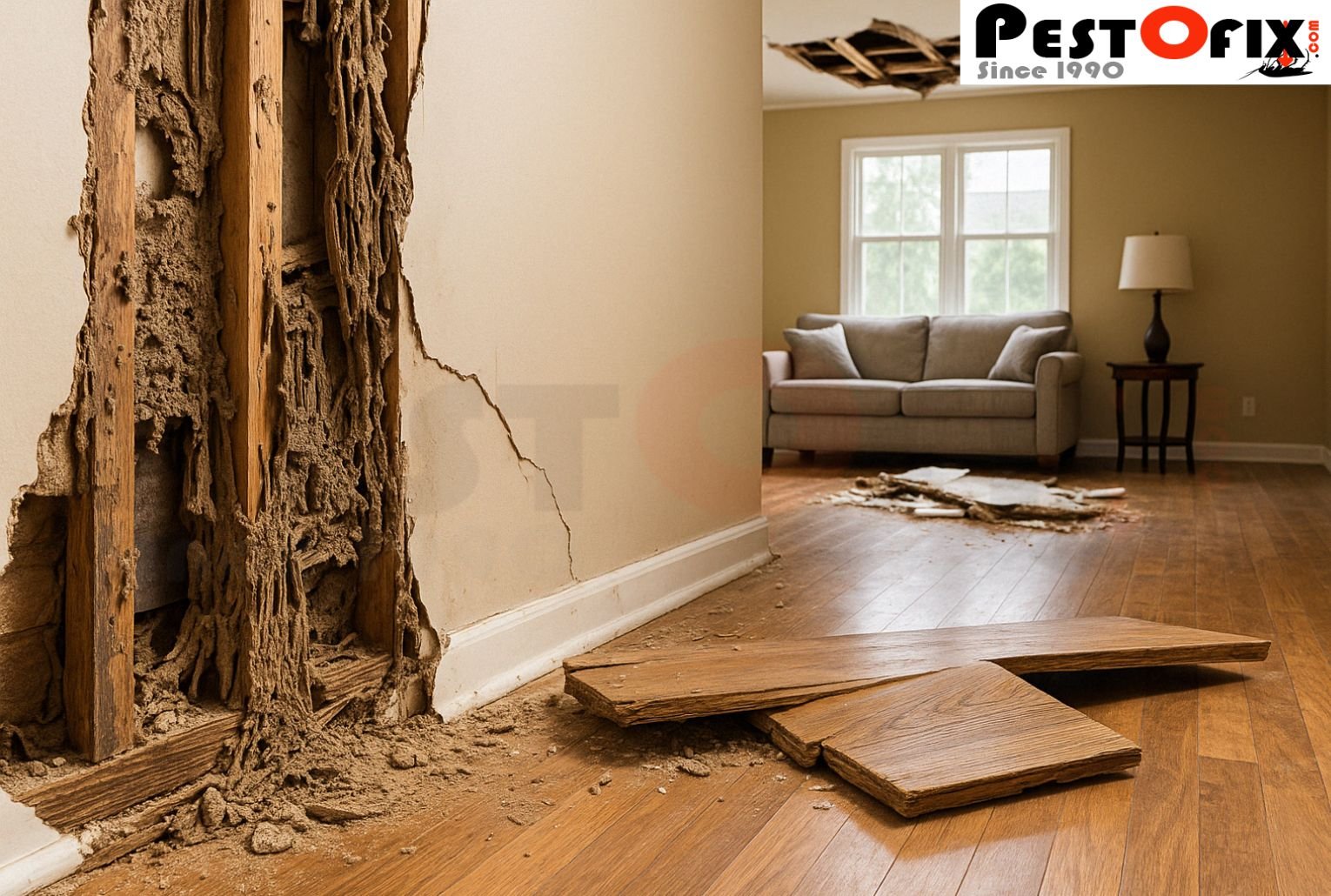
When termites go untreated for years, they can cause massive, often invisible structural damage that puts the entire stability of your house at risk. They don’t just gnaw on the surface—they target the core structural elements like:
- Floor joists and subfloors
- Wall studs and support beams
- Roof trusses and rafters
- Wooden staircases and doorframes
What makes this even scarier is how silently this all happens. You might not realize the extent of the damage until a floor starts sagging, a door won’t shut properly, or a ceiling shows signs of bowing. By then, the damage is often extensive—and expensive.
Home Value Takes a Big Hit
Imagine trying to sell your dream home only to find out a termite infestation has dropped your resale value by tens of thousands of dollars. Real estate agents often include termite inspection reports as part of the sales process, and a history of untreated termite damage is a big red flag for buyers.
Not only does it lower the market value, but it also causes buyers to hesitate—even if you’ve fixed the damage. A reputation for pest problems is hard to shake off in the property market.
Cosmetic Damage Isn’t Just Ugly—It’s a Warning Sign
Termites don’t stop at the beams. They’ll go for anything that contains cellulose—including drywall, wallpaper, and furniture. Over time, untreated infestations can result in:
- Peeling paint and bubbling wallpaper
- Hollow-sounding or crumbling wood
- Swollen floors and warped windows
- Pinholes in drywall
While these signs might seem minor, they’re often just the tip of the iceberg. Cosmetic issues usually signal far deeper, hidden destruction behind your walls or beneath your floors.
How Termites Reach Every Corner—Even the Top Floors
Many homeowners believe termites are only a problem for ground-level or wooden homes. But that’s not true. Termites are shockingly resourceful. In apartment buildings and high-rises, termites can use tiny cracks in concrete, electrical conduits, plumbing lines, or expansion joints to travel vertically—sometimes as high as the 25th floor!
Once inside, they can attack wooden flooring, false ceilings, and even stored furniture. So whether your home is a bungalow or a multi-storey apartment, you’re not safe from termite invasion without ongoing protection.
It’s Not Just Wood—Termites Can Ruin Insulation and Wiring Too
Termites love wood, but that’s not the only thing they’ll chew on. They can tunnel through foam insulation, damage soft plastics, and even short-circuit wiring in search of food or moisture. This creates additional hazards, including fire risks and energy inefficiencies.
So if you’ve noticed an unexplained rise in your electric bill, or flickering lights, termites could be a hidden cause you didn’t consider.
The Financial Toll of Neglecting Termite Control
Let’s be honest—termite treatment costs a fraction of what repairs can cost. Ignoring annual inspections or post-construction treatment can lead to:
- Foundation and structural repairs ($5,000–$20,000+)
- Full wall and flooring replacements
- Furniture loss and cabinetry replacement
- Hotel or relocation expenses during major repairs
And remember: most homeowners’ insurance policies don’t cover termite damage. That means you’ll foot the entire bill if you’ve skipped preventive treatment.
Preventive Treatment Is Easier Than You Think
Here’s the good news: avoiding this nightmare is totally possible. Termite prevention today is smart, discreet, and far more affordable than reactive repair work. Professional pest control services use techniques like:
- Soil barrier treatments for homes built on land
- Baiting systems that target hidden colonies
- Wood treatments for vulnerable areas
- Annual inspections to catch early signs
Many providers even offer maintenance plans so you never have to think twice. One inspection a year can save you years of regret.
Conclusion: Don't Let Years of Work Be Undone
Your home is more than bricks and wood—it’s where memories are made. But termites don’t care. If left untreated, they can hollow out years of hard work and investment without ever making a sound.
So if you’ve been putting off termite control, now is the time to act. A small investment in prevention today can save your home—and your wallet—tomorrow.
Stay safe, stay protected, and remember: when it comes to termites, silence isn’t golden—it’s dangerous.