

 Get Estimate
Date: 26-September-2025 | By: Pestofix Team
Termites are among the most persistent pests affecting homes and offices worldwide. Understanding how long termite treatment lasts is crucial for homeowners seeking long-term protection for their properties.
This blog provides a complete guide on termite behavior, treatment options, longevity of protection, preventive strategies, and expert insights, including references from Pestofix.com.
Let’s dive into why termite treatments are not permanent and how to manage infestations sustainably while protecting your home.
Understanding Termite Behavior
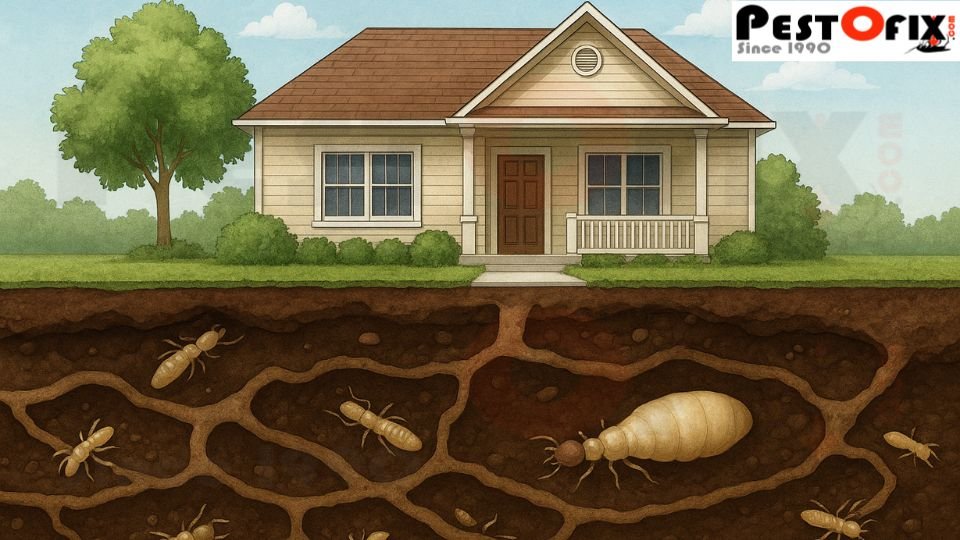
Key Behavioral Traits
- Persistence: Termites actively search for cellulose-rich food underground, often reaching homes, furniture, and wooden structures without being noticed for months or even years.
- Colony Longevity: Queens can live for decades, producing thousands of offspring, which sustain the colony and make control a long-term effort.
- Hidden Damage: Termites often feed silently inside walls, floors, and wooden furniture, leaving superficial signs only after substantial damage has occurred.
- Adaptive Foraging: Termites navigate complex soil networks and adjust their feeding habits depending on moisture, temperature, and food availability, which is why infestations can recur even after treatment.
- Communication and Coordination: Termites use pheromones to coordinate foraging and defend their colonies, making it nearly impossible for a single intervention to wipe them out entirely.
Because of these natural behaviors, no termite treatment can permanently eliminate all termites from the environment. They are part of the Earth's ecological balance, breaking down cellulose and contributing to soil health. The primary aim of any treatment is to protect structures, reduce colony populations near homes, and prevent costly structural damage.
Understanding termite behavior also helps homeowners make informed decisions. While chemical or eco-friendly termite treatments like those offered by Pestofix can effectively control infestations, they are not a permanent solution. Termites will always exist in the soil; treatments simply create barriers and targeted suppression to safeguard buildings.
Experts recommend regular inspections, preventive measures, and timely interventions because the silent, underground nature of termites allows them to multiply unnoticed. Recognizing their behavior is key to minimizing damage and extending the lifespan of wooden structures.
Termites and the Natural Balance
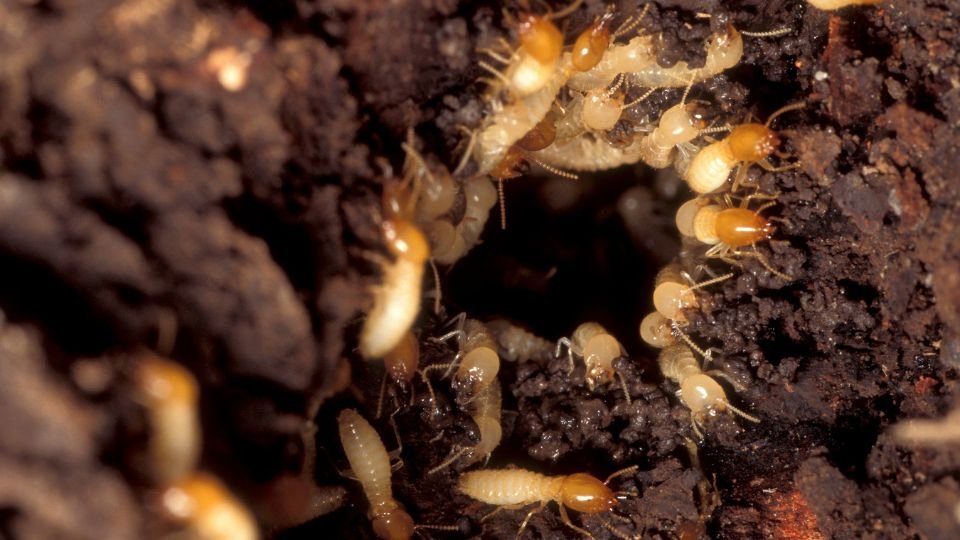
Termites are an ancient, god-created species that have existed for millions of years. They play a crucial role in the ecosystem: breaking down dead plant material, enriching the soil, and providing food for birds, reptiles, and other wildlife. Their presence is a natural part of Earth's underground ecosystem, and they will always exist in the soil.
Understanding this helps homeowners and property managers set realistic expectations: termite treatments are about control, protection, and prevention, ensuring the safety of your buildings while respecting the natural existence of termites beneath us. They may be managed, but they will always remain in the Earth’s base — a reminder of nature’s enduring balance.
By accepting this reality, we approach termite management with wisdom and patience. Treatments are not short-term quick fixes but part of a long-term strategy to safeguard structures while coexisting with nature’s smallest, yet most persistent engineers.
Types of Termite Treatments and Their Longevity
1. Liquid Soil Treatments
Liquid termiticides create a chemical barrier around a property’s foundation. They usually last 5–10 years depending on soil type, rainfall, and chemical properties. Professional inspections, as suggested by Pestofix.com, are recommended annually to maintain barrier effectiveness.
2. Termite Baiting Systems
Bait stations attract termites to consume slow-acting insecticides, which they carry back to the colony. These require ongoing monitoring, with replenishment every 6–12 months, and are most effective when installed professionally.
3. Direct Wood Treatments
For drywood termite infestations, insecticides are applied directly to infested wood. Protection can last 10+ years depending on environmental exposure, but reinfestation from soil termites remains possible.
Factors Affecting Treatment Longevity

- Soil Type and Moisture: Sandy or acidic soils reduce chemical retention.
- Climate: Temperature and humidity affect termite activity and treatment lifespan.
- Termite Species: Subterranean, drywood, and dampwood termites respond differently.
- Maintenance: Regular inspections, fixing leaks, and clearing wood debris extend protection.
Common Misconceptions About Termite Treatment
- Myth 1: “Termite treatment permanently eliminates all termites.”
Fact: Treatments protect structures; termites remain naturally in soil. - Myth 2: “DIY sprays provide long-term protection.”
Fact: Professional treatments with monitoring are more reliable. - Myth 3: “Once treated, inspections are unnecessary.”
Fact: Annual inspections are essential to detect new infestations.
Long-Term Termite Management Strategies
- Schedule professional inspections at least once a year.
- Control moisture: repair leaks and ensure proper drainage.
- Maintain chemical barriers when soil is disturbed.
- Use Integrated Pest Management (IPM): combine chemical, physical, and biological controls.
Pestofix.com highlights that ongoing monitoring is essential, as termites are resilient and naturally present in soil. Continuous management, rather than one-time treatment, ensures long-term protection.
DIY vs Professional Treatment
- DIY Treatments: Cost-effective short-term solutions but often fail for long-term control.
- Professional Treatments: Provide structured monitoring, expert application, and sustained protection.
Preventive Measures to Extend Treatment Life
- Remove wood debris and firewood near structures.
- Maintain proper ventilation in crawl spaces.
- Repair leaks and water damage promptly.
- Avoid direct soil-to-wood contact during construction.
Conclusion: Termite Treatments Are Protective, Not Permanent
Termite treatments safeguard your property but do not eliminate all termites. Longevity varies by treatment type, environment, and termite species. Termites are a natural part of the ecosystem and will always exist in soil. Ongoing monitoring and preventive strategies are the keys to effective termite management.
By combining professional treatments, preventive measures, and homeowner awareness, structures can remain protected for decades while respecting nature’s balance.