

 Get Estimate
Date: 09-May-2025
If you’re seeing the occasional spider crawling across your floor or hiding in corners, it might not feel like a big deal. After all, spiders are common, right? But here’s the thing—ignoring a spider problem can lead to more trouble than you might expect. What starts off as one or two eight-legged visitors can quickly turn into a silent invasion, bringing health risks, property damage, and more. Let’s talk about why brushing off spider sightings could come back to bite—literally.
They Multiply Faster Than You Think
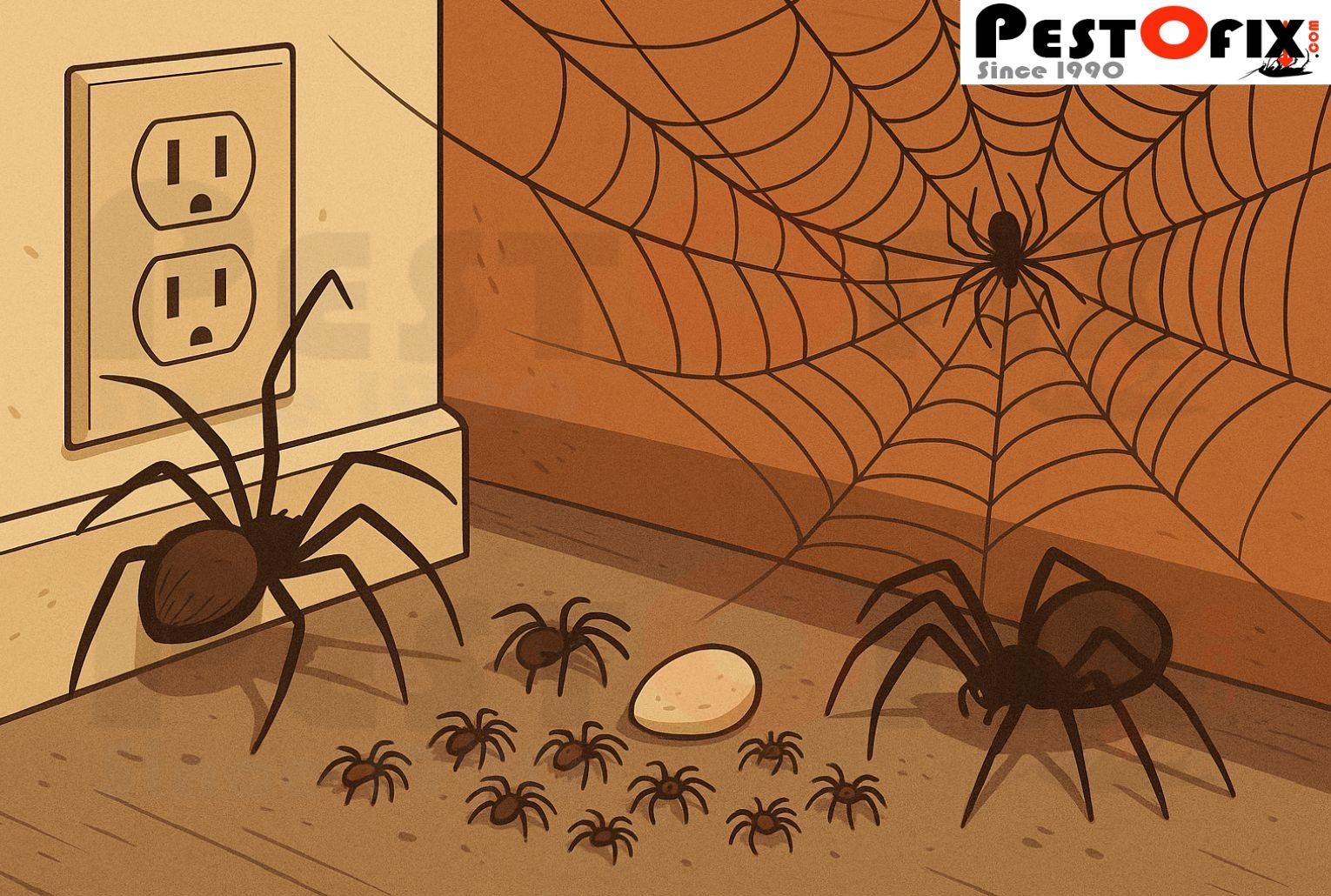
Spiders don’t just show up randomly—they’re there because your home is a suitable habitat. And when left undisturbed, they waste no time settling in. A single female spider can produce several egg sacs, each containing hundreds of spiderlings.
These baby spiders often scatter quickly and hide in cracks, corners, air vents, and behind furniture—places you rarely inspect. Before you know it, your home could be crawling with them.
Certain Spiders Can Be Dangerous
While most spiders are harmless and even helpful in controlling other pests, some species pose real threats to humans and pets. Venomous spiders like the Brown Recluse or Black Widow can bite when threatened, and their venom can cause severe reactions such as:
- Muscle cramps and abdominal pain
- Nausea, dizziness, and fatigue
- Blistering skin and slow-healing wounds
- Necrosis in extreme cases
The worst part? These spiders often hide in dark, undisturbed places like closets, shoes, and storage boxes. You don’t want a surprise bite to be your first sign of trouble.
They Attract Other Pests (and Thrive on Existing Ones)
Spiders are predators, which means if you’ve got them, you likely have a buffet of other pests hiding out in your home—ants, flies, silverfish, or even cockroaches. So a spider problem isn’t just about spiders. It’s a red flag that your home is part of a bigger pest food chain.
If you treat only the spiders and not their food source, the problem will keep coming back. That’s why integrated pest management from professionals works—it targets all levels of infestation.
Webs, Egg Sacs, and Visual Damage
Spiders are not clean roommates. As their numbers grow, so do their webs and egg sacs. You’ll begin to notice:
- Fine webs in ceiling corners and behind curtains
- Thick cobwebs in basements, attics, or unused rooms
- White or cream-colored egg sacs stuck to walls or furniture
These signs not only make your home feel unkempt but can also cause embarrassment when hosting guests or during property inspections.
DIY Methods Don’t Work Long-Term
It’s tempting to grab a can of bug spray or whip up a vinegar mix you saw online. But the reality? Most DIY approaches kill only visible spiders and completely miss the nesting areas and egg sacs.
Here’s what usually happens with DIY:
- Spiders relocate deeper into your home to escape the disturbance
- Egg sacs remain untouched and hatch later
- Underlying insect food sources are ignored
It becomes a cycle of recurring infestations. Professional pest control, on the other hand, uses targeted methods to break that cycle permanently.
They’re Hard to Spot Until It’s Too Late
Spiders are masters of stealth. You may not see them during the day, but they come out at night when the lights are off. They slip into cracks in walls, hide under appliances, or retreat into air vents. By the time you realize how many are there, the infestation is already serious.
Even worse, some species (like recluse spiders) are so shy they can live alongside you for months undetected—until you or a loved one accidentally disturbs them and gets bitten.
Health Risks for Sensitive Individuals
Aside from bites, spider infestations can trigger anxiety and stress, especially in children or individuals with arachnophobia. Their presence can also worsen allergies due to the dust and debris that accumulate in webs.
For families with toddlers or pets who explore low spaces, the risk of accidental contact increases significantly.
When Should You Call in the Experts?
Here are some signs that it’s time to stop ignoring the issue and take action:
- You spot more than 1–2 spiders per week
- You see recurring webs in the same places
- You find egg sacs in corners or behind furniture
- You’ve already tried DIY methods without success
It’s always better (and cheaper) to act early before the infestation spreads.
The Bottom Line
Ignoring a spider problem may seem harmless, but it’s not. The longer you wait, the more they spread, reproduce, and become harder to remove. On top of that, you’re risking health hazards, dealing with unpleasant sights, and possibly living among more pests than you know.
Professional pest control doesn’t just kill what you see—it uncovers what’s hidden. It protects your home, your health, and your peace of mind.
Bottom line: Spiders aren’t just creepy—they’re a sign it’s time to call in the pros.