

 Get Estimate
Date: 06-May-2025
Your Living Room Might Be a Hidden Danger to Your Dog
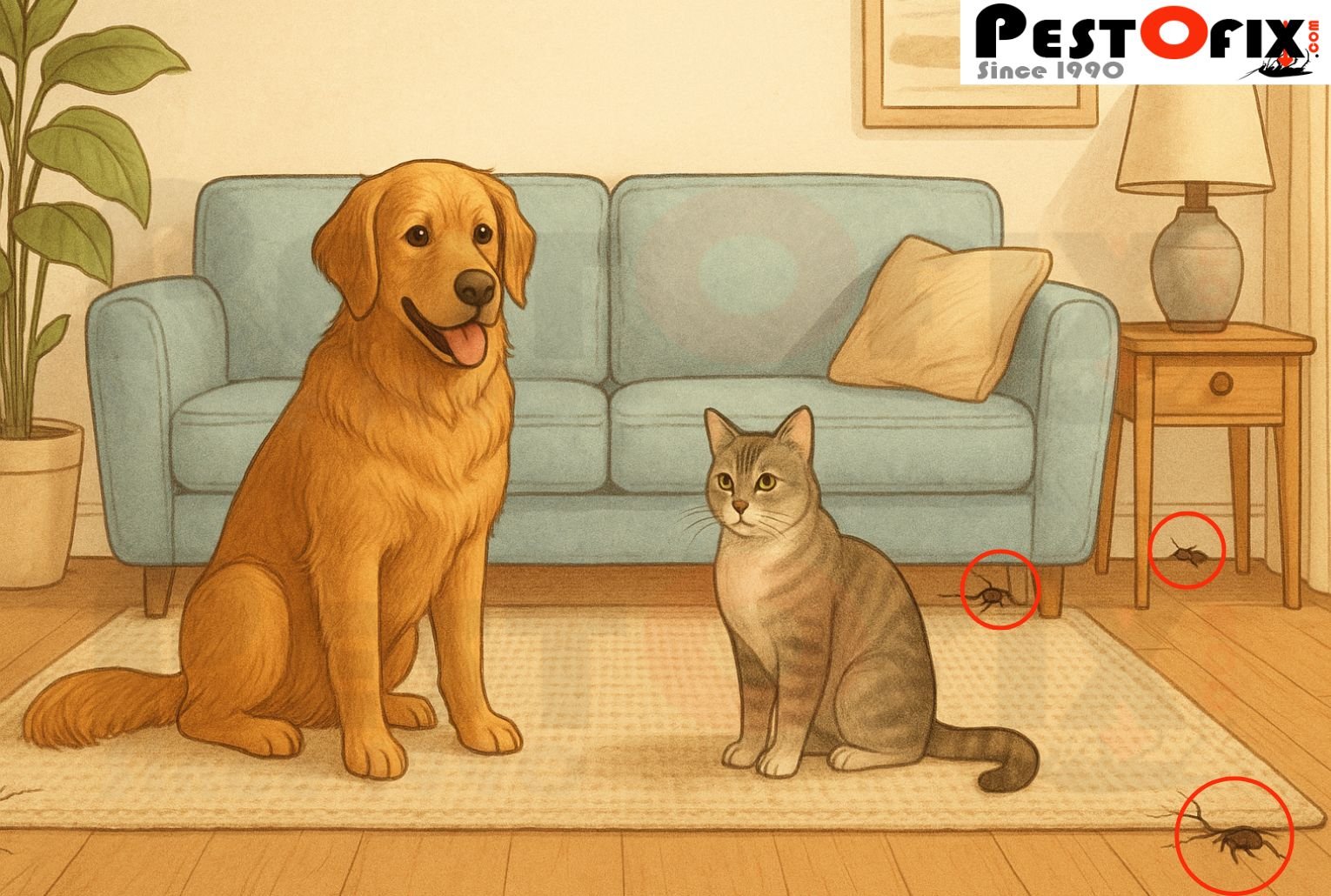
Your home may seem clean and safe, but if your dog has started scratching more than usual, there might be an invisible threat hiding in plain sight—ticks. Most people associate ticks with outdoor adventures, but they can and do end up inside homes, often unnoticed. Once indoors, they can quietly breed, feed, and pose a serious health risk to your furry friend. And while some pet owners turn to quick fixes or internet remedies, these are rarely effective. If you suspect a tick problem at home, professional help is not optional—it’s essential.
How Ticks End Up Indoors
Ticks are surprisingly good at sneaking into your home. Your dog might pick them up from grassy areas, parks, or contact with other animals. Once they hitch a ride indoors, they drop off and look for cozy hiding spots. These can include:
- Sofa cushions and carpets
- Cracks in flooring or baseboards
- Pet bedding and blankets
- Behind furniture or wall corners
Unfortunately, many homeowners don’t realize there’s a problem until their dog becomes ill or they start spotting ticks on surfaces or fabrics.
The Serious Health Risks Ticks Pose to Your Dog
Ticks don’t just cause itching—they transmit diseases that can lead to long-term health issues or even death if left untreated. Common tick-borne illnesses include:
- Lyme Disease: Causes fever, joint swelling, and fatigue
- Ehrlichiosis: Damages white blood cells and weakens the immune system
- Babesiosis: Destroys red blood cells, leading to anemia
- Tick Paralysis: A rare but life-threatening condition
The symptoms can take days or even weeks to appear. This is why early detection and fast action are critical.
Why DIY Tick Control Doesn’t Work
Vacuuming, tick collars, and over-the-counter sprays may offer short-term relief, but they don’t address the root of the problem. Here’s why DIY methods usually fail:
- They often miss hidden eggs and larvae deep in fabrics and cracks
- Most sprays only kill adult ticks—not the next generation
- Ticks can develop resistance to store-bought repellents
- Missed areas can lead to recurring infestations
The longer you delay proper treatment, the worse the infestation becomes—and the greater the risk to your pet’s health.
Signs You May Have an Indoor Tick Infestation
Not sure if ticks are inside your home? Watch for these red flags:
- Your dog is scratching more than usual, even after treatment
- Ticks seen crawling on the floor, furniture, or walls
- Small black or reddish spots on fabric—likely tick droppings or eggs
- Recurring fever, lethargy, or joint pain in your pet
If you notice any of these, don’t rely on guesswork. It’s time to call in a professional pest control team trained in safe, targeted tick removal.
Why Professional Tick Control is the Only Reliable Solution
Professional pest control services use advanced tools and techniques that go far beyond what DIY can achieve. Here’s what makes professional treatment more effective:
- Deep inspections to locate nests and hiding spots
- Specialized insecticides that eliminate ticks at all life stages
- Pet-safe and eco-friendly treatments designed for indoor environments
- Expert advice on how to prevent future infestations
One professional treatment can save you months of frustration—and potentially thousands in vet bills.
How to Prevent Future Tick Infestations
Even after a successful treatment, prevention is key. Here’s how to reduce your chances of ticks returning:
- Regularly wash your dog’s bedding in hot water
- Keep your home vacuumed, especially around pet areas
- Use vet-approved tick preventatives year-round
- Check your dog thoroughly after outdoor walks or travel
Still, even the best precautions can fail without expert backup. Routine inspections from pest professionals can provide peace of mind and early detection.
Conclusion: Don’t Let Ticks Take Over—Act Now
Ticks might be tiny, but the damage they can do is enormous. If your dog is your best friend, don’t let them suffer in silence. If you’ve seen even one tick inside your home or suspect a problem, the safest step is to schedule a professional tick treatment for your home.
DIY tricks might delay the issue, but they won’t solve it. Call a professional today and give your dog the clean, safe, tick environment they deserve.