

 Get Estimate
Date: 16-August-2025 | By: Pestofix Team
Termites are often called the “silent destroyers” because they can cause massive structural damage before you even notice their presence. In a fast-growing city like Gurgaon, where modern apartments, villas, and commercial buildings dominate the skyline, termite infestations are not just common—they are inevitable if preventive measures are ignored.
When it comes to protecting your property, choosing an ISO certified termite control service in Gurgaon is not just a choice—it’s a necessity. ISO certification ensures that the pest control methods follow strict international quality and safety standards, providing long-lasting protection with eco-friendly treatments.
In this detailed guide, we will cover everything about ISO-certified termite control in Gurgaon by Pestofix, why certification matters, the different treatment methods, signs of infestation, preventive strategies, and why Pestofix remains the trusted name for homeowners and businesses in Delhi NCR.
What Makes ISO Certified Termite Control Different?

1. Assurance of Global Quality Standards
ISO certification is not just a label—it’s proof that the pest control company follows rigorous international standards in chemical usage, safety protocols, treatment effectiveness, and customer service. For Gurgaon homeowners, this means complete peace of mind.
- Safe & Eco-Friendly Chemicals: Use of approved termiticides like Fipronil and Imidacloprid.
- Long-Term Protection: ISO-certified methods ensure termite colonies are destroyed, not just visible termites.
- Transparent Processes: Documentation, monitoring, and follow-up are part of the treatment plan.
2. Compliance With Safety and Environmental Norms
Gurgaon families often worry about health risks from chemical treatments. ISO standards ensure that Pestofix uses non-toxic, child-safe, and pet-friendly treatments that are still powerful enough to eliminate termite colonies.
3. Guaranteed Results with Warranties
Most local, uncertified operators offer quick fixes without accountability. ISO certification ensures Pestofix provides written warranties—ranging from 3 to 10 years—depending on the type of termite control service chosen.
Why Gurgaon Homes and Offices Need Termite Control

Gurgaon’s rapid urban development has led to high-rise apartments, corporate offices, and luxury villas. Unfortunately, these modern structures often use wood for interiors, furniture, and false ceilings—prime targets for termites. Even concrete buildings are not immune since termites travel through walls, floors, and tiny cracks to reach cellulose-based materials.
Common Factors Driving Termite Infestations in Gurgaon
- High Humidity: Gurgaon’s monsoon season and rising groundwater levels encourage subterranean termite colonies.
- Construction Boom: Soil movement during construction spreads termite colonies into new residential areas.
- Climate Changes: Hot summers and damp winters create ideal breeding cycles for termites.
The Real Cost of Ignoring Termites
Termites cause more financial loss worldwide than floods, fires, and storms combined. In Gurgaon, repairing termite damage can cost lakhs of rupees, while preventive treatments cost only a fraction. ISO-certified control from Pestofix saves money and ensures your property’s long-term safety.
Signs of Termite Infestation in Gurgaon Properties
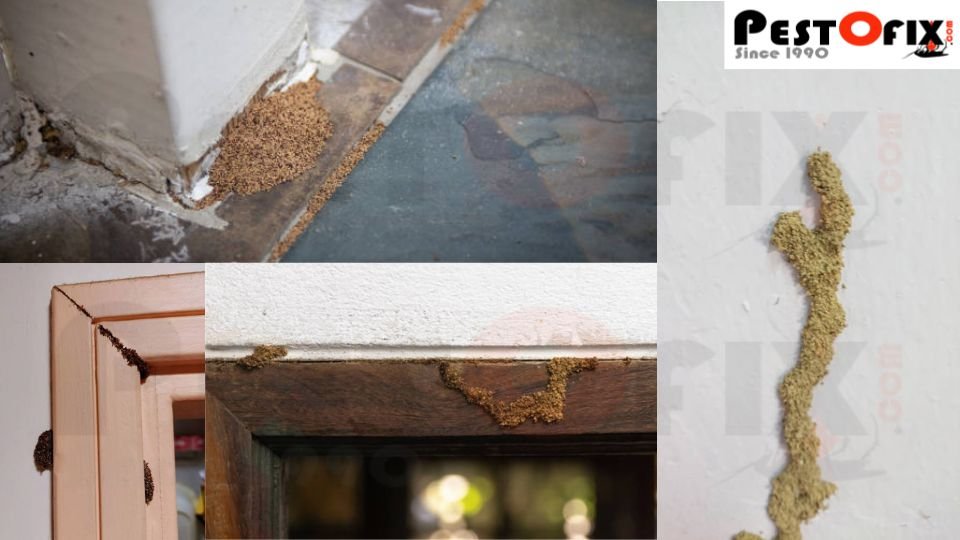
Termites rarely make their presence obvious until major damage has occurred. Watch for these warning signs in your Gurgaon home or office:
- Hollow Sounding Wood: Tapping furniture or doors reveals emptiness inside.
- Discarded Wings: Termite swarms leave piles of tiny wings near windowsills or lights.
- Mud Tubes: Pencil-sized mud tunnels on walls or foundations indicate active colonies.
- Frass (Droppings): Powdery residue around wooden fixtures shows termite feeding.
- Stuck Windows and Doors: Moisture buildup from termite tunnels makes frames swell.
Types of Termites Found in Gurgaon Soil
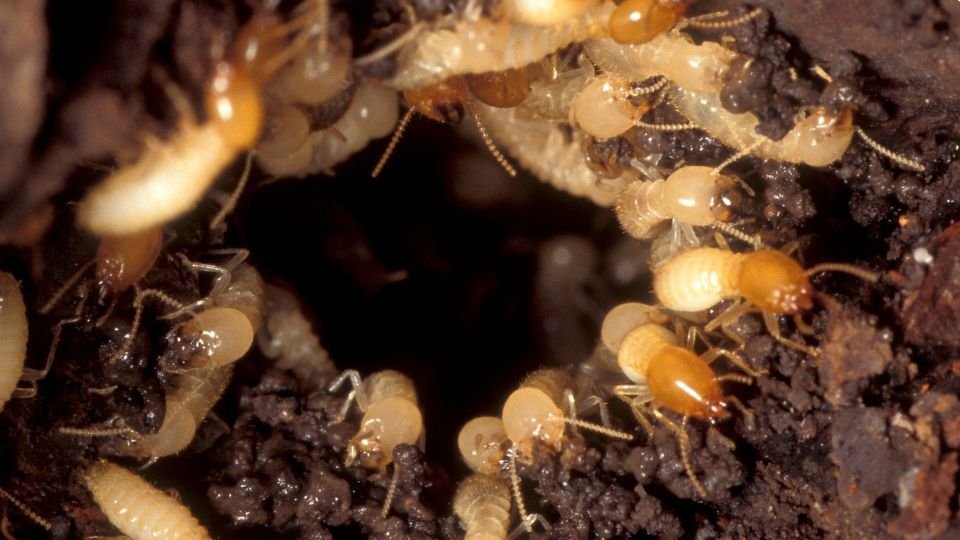
Extensive entomological surveys and recent studies across Haryana (including southern Haryana regions near Gurgaon) show that the local termite fauna is rich and dominated by soil-inhabiting (subterranean and mound-building) species. For practical pest control in Gurgaon, it’s important to understand which types are most commonly encountered and why they matter for your property.
1. Subterranean Termites (Primary Soil Pests)
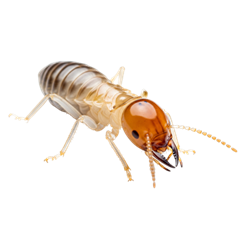
Subterranean termites live and feed below ground. They build mud tubes to connect their nests to food sources and are the most destructive group for buildings because they access foundations, wooden structures, and buried cellulose materials. Typical genera recorded in Haryana and surrounding regions include:
- Coptotermes species — highly destructive and commonly associated with structural damage. (Examples recorded across North-West India.)
- Heterotermes species — smaller but widespread subterranean termites often found in soil and foundations.
- Microtermes and Microcerotermes — smaller subterranean types that can also enter buildings and damage stored timber or cellulose materials.
Because subterranean termites live in soil, they are best controlled by soil treatments, physical barriers, and professionally monitored baiting systems that target the colony at its source.
2. Mound-building Termites (Common in Peri-Urban and Vegetated Areas)

Mound-building species construct visible nests (mounds) in open land and fields. In Haryana, species of the genus Odontotermes (for example, Odontotermes obesus and related species) are commonly recorded. While mound-builders typically prefer agricultural or open areas, their foraging tunnels can extend into nearby properties and cause localized damage.
- Odontotermes species — often recorded in Haryana; they can be significant pests in agricultural zones and can occasionally invade landscaped areas around homes.
3. Drywood and Dampwood Termites (Present, But Less Soil-Dependent)

Drywood and dampwood termites do not rely on soil nests; they infest dry or decaying wood directly. While they are not soil pests per se, they are relevant in Gurgaon because buildings, furniture, and stored timber can host them. Drywood termites are more likely inside furniture and beams, while dampwood species appear where moisture and rot are present.
- Drywood Termites: Infest dry timber and are usually found inside furniture, beams, and roof timbers.
- Dampwood Termites: Require high moisture and attack decayed wood, often where plumbing leaks or damp foundations exist.
4. What Local Surveys Tell Us
Regional surveys and recent studies conducted across southern Haryana report a diverse termite community—commonly listing genera such as Heterotermes, Coptotermes, Microcerotermes, Odontotermes, Microtermes and Trinervitermes. These findings confirm that soil-inhabiting (subterranean and mound-building) termites are the primary concern for Gurgaon properties and should be the focus of preventive soil-based treatments.
Understanding these types helps Pestofix technicians select appropriate ISO-certified strategies—whether that’s pre-construction soil barriers, post-construction injections, baiting stations, or targeted wood treatments.
Pestofix ISO Certified Termite Control Methods in Gurgaon
Pestofix follows internationally approved and ISO-certified termite control techniques, ensuring effectiveness and safety. Depending on your property, our experts recommend one or a combination of the following methods:
- Pre-Construction Anti-Termite Treatment: Soil treatment during the foundation stage prevents termites from entering the building structure.
- Post-Construction Termite Control: Drilling holes along walls and floors, injecting termiticides, and sealing entry points.
- Wood Treatment: Specialized chemicals applied to wooden furniture, doors, and frames to prevent damage.
- Barrier Treatments: Chemical or physical barriers around the building perimeter to block termite entry.
These methods are backed by ISO guidelines, advanced tools, and Pestofix’s years of expertise across Delhi NCR.
Why Choose Pestofix for ISO Certified Termite Control in Gurgaon?
 GOVT. ACCREDITED
|
 ISO 9001:2000 CERTIFIED
|
 SERVING SINCE 1990
|
 QUALITY ASSURED
|
- ISO Certified Treatments: Adherence to global safety and quality standards.
- Experienced Team: Trained technicians with 36+ years of combined field experience.
- Advanced Chemicals: Safe yet effective termiticides with lasting impact.
- Customized Solutions: Tailored strategies based on property type and infestation level.
- Warranty & Support: Written service warranties and regular follow-ups.
- Local Expertise: Specialized knowledge of Gurgaon’s climate and building structures.
- Trusted Legacy: Over 36 years of providing termite control services across Gurgaon and NCR.
Pestofix is not just a service provider—it’s a long-term partner ensuring that your home or office remains termite for years to come.
Preventive Measures to Keep Termites Away
Even with professional treatment, homeowners can reduce the risk of reinfestation by following simple preventive measures:
- Keep wooden furniture away from damp walls and floors.
- Repair water leaks in bathrooms, kitchens, and basements promptly.
- Ensure proper ventilation in crawl spaces and attics.
- Store firewood, cardboard, and unused wooden items away from the house.
- Schedule annual inspections with Pestofix for peace of mind.
Prevention combined with ISO-certified treatments creates a foolproof shield against termites.
Termite infestations in Gurgaon are a growing concern—but with ISO-certified treatments from Pestofix, you can rest assured that your property is in safe hands. Acting early saves you money, stress, and structural damage.
Don’t wait until termites damage your dream home — protect it today with Pestofix.