

 Get Estimate
Date: 07-January-2026 | By: Pestofix Pest Control Specialists
Many homeowners complete pest control treatments expecting permanent results. When cockroaches, ants, spiders, or other pests reappear weeks later, it often creates frustration and confusion.
This professional explanation clarifies why pest problems return even after treatment and why recurrence usually points to environmental factors rather than treatment failure.
Pest Control Eliminates Pests, Not the Conditions That Attract Them
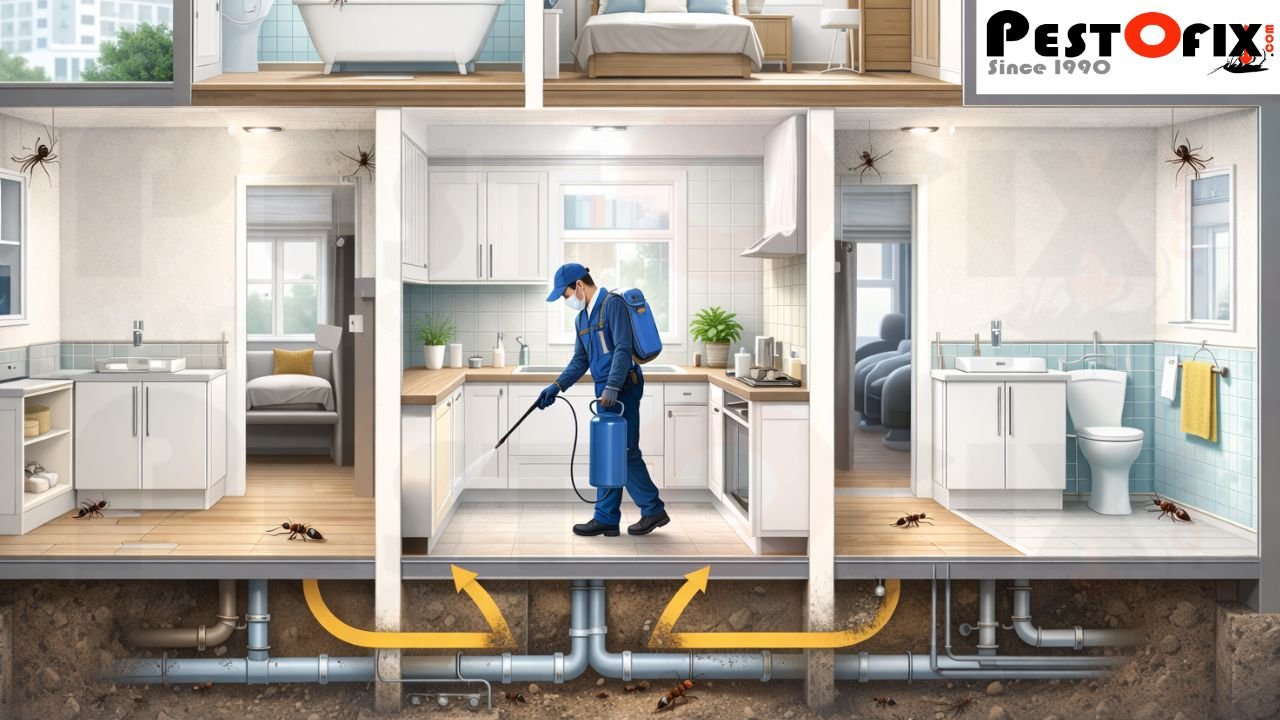
Most pest control treatments are designed to reduce visible pest activity and disrupt breeding cycles. They do not automatically correct moisture issues, structural gaps, or food access points.
- Moisture sources remain active
- Structural entry points stay open
- Food availability is unchanged
- External pest pressure continues
When these factors persist, pest activity gradually returns.
Hidden Moisture Is the Primary Cause of Pest Recurrence
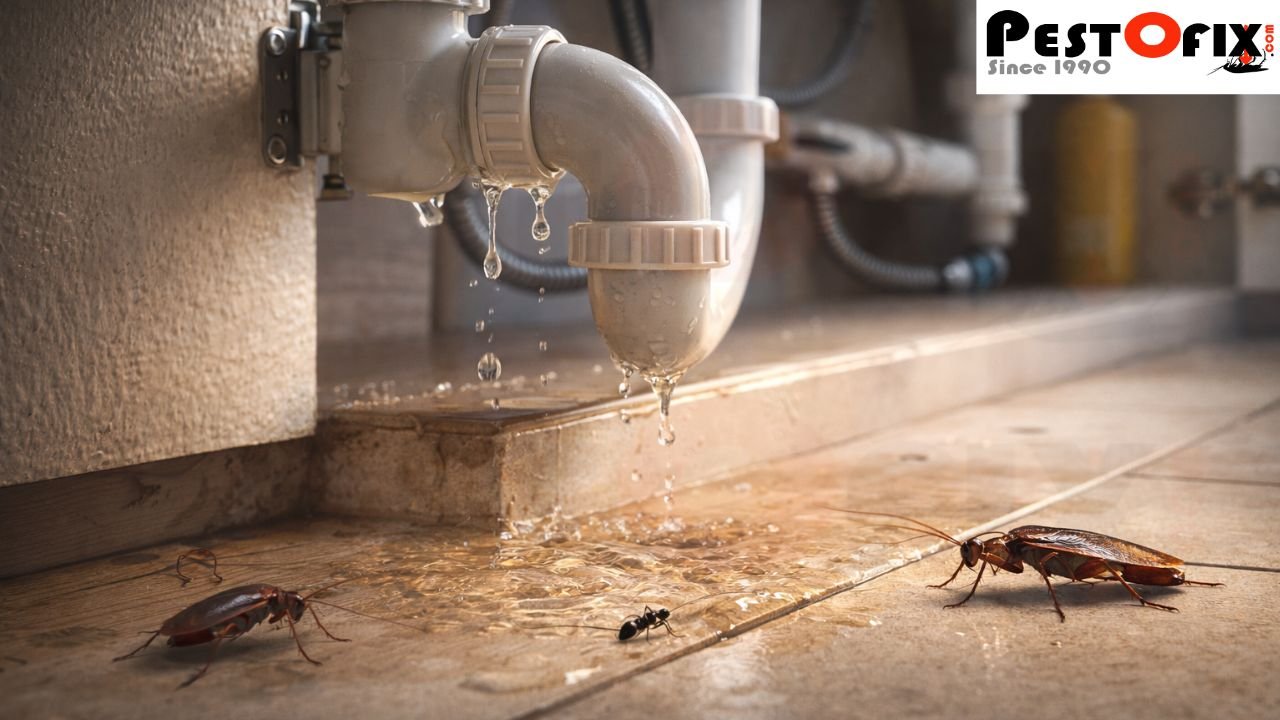
Pests respond to micro-environments rather than surface cleanliness.
- Under-sink plumbing leaks
- Bathroom drain condensation
- Refrigerator and appliance heat zones
- Poorly ventilated corners
Without moisture control, pest control results remain temporary.
Neighboring Apartments and Shared Infrastructure Reintroduce Pests
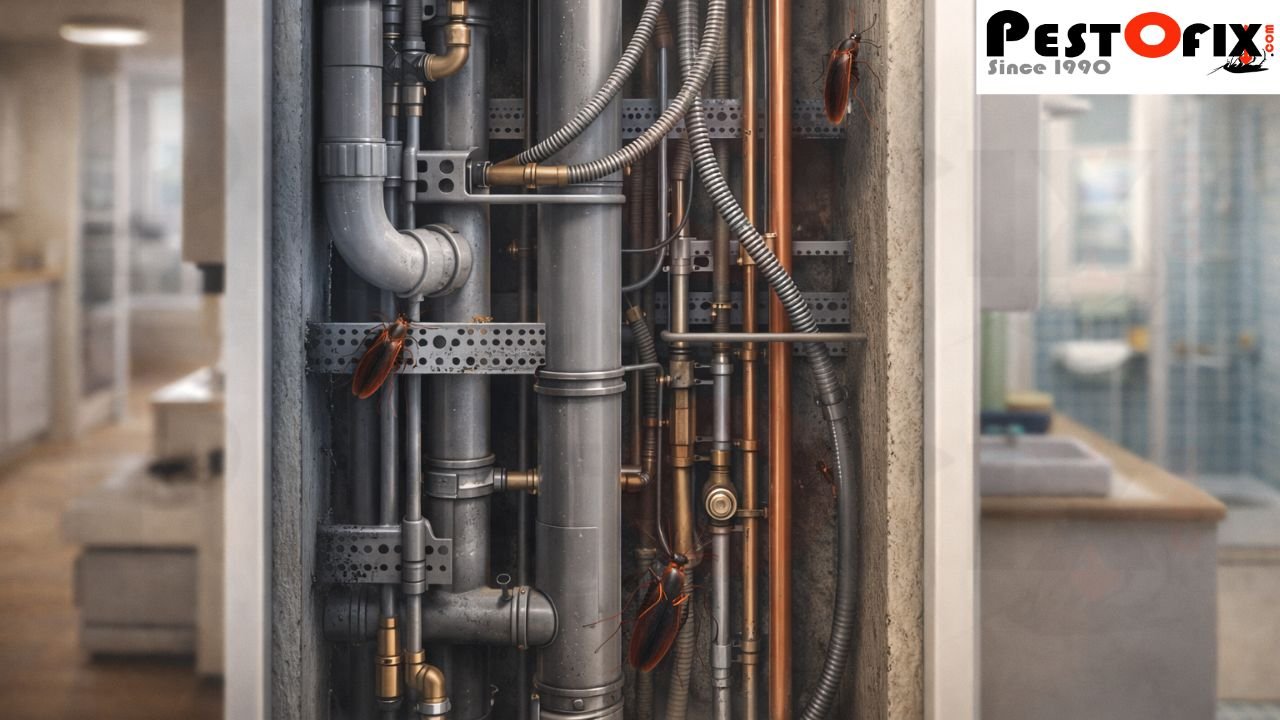
In multi-unit buildings, treating a single flat does not always isolate the infestation.
- Shared drainage and plumbing lines
- Common utility shafts
- Wall and ceiling voids
- Untreated neighboring units
This explains why pest activity often returns despite proper treatment.
Post-Treatment Activity Is Often Misinterpreted as Failure
After treatment, pests may temporarily appear more visible as they emerge from hiding. Eggs laid earlier may hatch, and secondary pests may appear briefly.
- Delayed egg hatching
- Disrupted nesting behavior
- Short-term increase in movement
- Environmental adjustment period
These changes are normal and do not indicate treatment failure.
DIY Chemicals Can Reduce Professional Treatment Effectiveness
Using store-bought sprays or strong cleaning agents after professional treatment can interfere with baiting systems and chemical transfer mechanisms.
- Repelling pests instead of eliminating them
- Breaking residual treatment barriers
- Reducing bait effectiveness
- Altering pest movement patterns
This often leads to the perception that pest control did not work.
Effective Pest Control Works as a Long-Term Process
Sustainable pest control combines treatment, environmental correction, and monitoring rather than relying on a single visit.
- Targeted treatment based on pest behavior
- Moisture and access point correction
- Follow-up inspections
- Preventive planning
When these steps align, pest recurrence reduces significantly.
Pest Control Is About Understanding the Environment
Recurring pest problems usually indicate that environmental conditions continue to support pest survival.
Long-term pest control success comes from understanding pest behavior, home ecology, and preventive planning.