

 Get Estimate
Termites are notorious for their ability to destroy wooden structures, but their diet goes beyond just wood. These tiny yet powerful insects play a crucial role in breaking down organic matter in ecosystems. However, when they invade homes, their feeding habits can lead to costly structural damage. In this blog, we’ll explore what termites eat, why they target certain materials, and how to prevent termite infestations.
What Do Termites Eat?
Termites primarily consume cellulose, an organic compound found in plant materials. Here are some common sources of cellulose that termites feed on:
- Wood and Wooden Structures: Furniture, beams, flooring, and walls. Drywood and subterranean termites are common home invaders.
- Paper and Cardboard: Books, documents, and cardboard boxes stored in humid areas are prime targets.
- Dead Trees and Stumps: Termites decompose fallen trees in nature, recycling nutrients into the soil.
- Plant-Based Materials: Cotton, linen fabrics, and organic insulation materials.
- Some Types of Plastic: They chew through plastic to reach cellulose, damaging pipes and wiring.
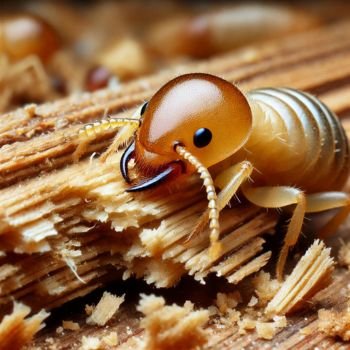
Why Do Termites Eat Wood?
Termites have special gut bacteria and protozoa that break down cellulose into nutrients. Worker termites digest wood and regurgitate it to feed the colony. Some species prefer damp or decayed wood, while others thrive in dry conditions.
How Do Termites Damage Homes?
- Hollowed-out wood with a honeycomb texture.
- Sagging floors or walls.
- Mud tubes along walls or foundations.
- Discarded wings near windows or doors.
How to Prevent Termite Infestations
- 1. Reduce Moisture: Fix leaky pipes, improve drainage, and use dehumidifiers in damp areas.
- 2. Store Wood Away: Keep firewood and lumber away from your home’s foundation.
- 3. Use Termite-Resistant Materials: Opt for treated wood, concrete, or metal during construction.
- 4. Regular Inspections: Schedule annual checks for mud tubes, wings, or damaged wood.
- 5. Professional Treatment: Use bait systems, chemical barriers, or fumigation for active infestations.
Conclusion
Termites are vital for ecosystems, but they become destructive pests when they invade homes. By understanding their diet and behavior, homeowners can take proactive steps to prevent infestations and protect their properties from costly damage. Regular inspections, moisture control, and proper construction practices are key to keeping these wood-eating insects at bay.