

 Get Estimate
Date: 24-May-2025 | By: Pestofix Team
It All Started with Treated Soil... So Why Are There Still Termites?

Imagine this: you’ve followed every professional recommendation. Before a single brick was laid, your land was treated with anti-termite chemicals. Your high-rise stands tall, modern, and sealed — yet, out of nowhere, your wooden cabinets show signs of termite damage. How is that even possible?
If you've ever asked yourself this question, you're not alone. This blog unpacks the journey from bare ground to a completed structure and reveals why, despite the best efforts and treatments, termites still find a way in. Spoiler alert: it’s not bad luck — it’s biology, engineering gaps, and sometimes just misguided expectations.
Understanding the Promise of Pre-Construction Termite Treatment

Let’s start with what pre-construction termite treatment actually means. This involves applying termiticides to the soil before any foundation work begins. The goal? Create a chemical barrier that deters or kills termites before they reach the structure.
Sounds foolproof, right? Well, it’s effective, but only within certain limits.
- The treatment typically lasts 5–10 years, depending on soil type and chemical used.
- Construction delays or weather can dilute or disturb the chemical barrier.
- Termites can bypass treated zones through untreated soil patches or structural gaps.
How Termites Still Make Their Way In
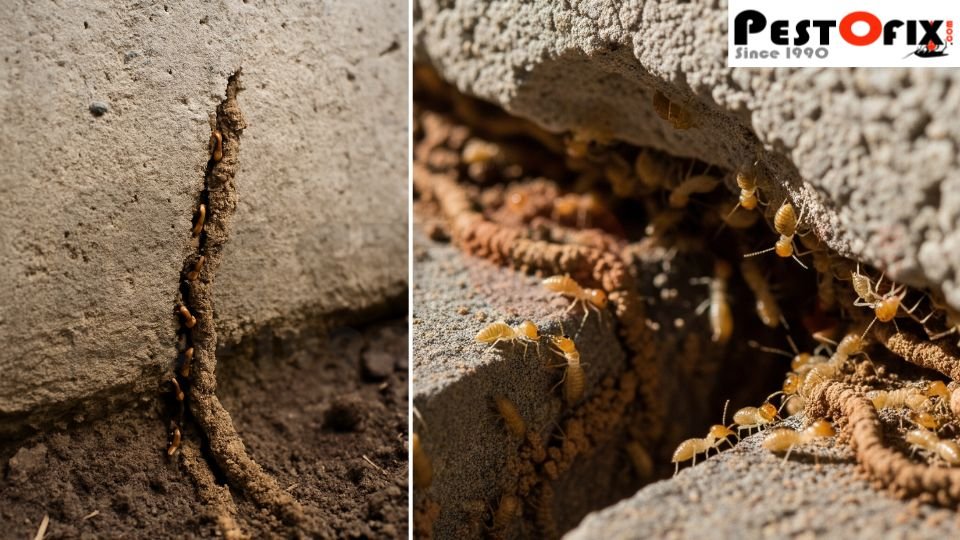
Termites are not your average insects. They’re persistent, secretive, and often operate undetected until real damage is done. Here’s how they sneak past the best defenses:
- Foundation Cracks & Utility Ducts: Tiny gaps in plumbing, lift shafts, or expansion joints give termites an open door.
- Adjoining Properties: If your neighbor’s plot is untreated, termites can migrate underground into your structure.
- Post-Construction Renovations: Drilling and remodeling can break the original chemical barrier.
Why Regular Inspections Aren’t Always Enough
Monthly or annual termite inspections are vital — but they’re not failproof. Most inspections rely on visible signs, but termites often operate out of sight: inside walls, under floors, or deep within wood.
And let’s be honest, not all inspections are created equal. If your service provider rushes through the check or misses key hotspots, you’re left with a false sense of security.
The Myth of "One-Time" or "Spot" Treatments

Here’s the hard truth: quick-fix sprays and one-time jobs don’t work against a termite colony. Why? Because they only kill what you can see — not the root of the problem buried deep in the soil or hidden inside wood.
Think of it like this: spraying a few ants on your counter won’t destroy the entire ant nest under your garden. It’s the same with termites.
- Spot treatments may repel but not eliminate termites.
- They often drive the colony to attack a different, untreated area.
- This leads to recurring infestations and greater property damage over time.
Changing the Mindset: Termite Control Is Not a One-Time Job
This is where most people go wrong. They treat termites like a temporary nuisance instead of an ongoing structural threat. True termite management is about:
- Ongoing monitoring and inspections (not just when you see damage).
- Using baiting systems and barriers in high-risk areas.
- Re-treatment schedules based on soil conditions and construction type.
Just like you'd service your car or do annual health checkups, buildings need preventive care too — especially when it comes to termites.
Conclusion: Termites Don’t Follow Your Timeline — They Follow Instinct
From a perfectly treated plot of land to a 20-storey marvel, the journey of construction is impressive. But termites aren’t impressed. They’re patient, silent, and always looking for an entry point. And if we believe that a one-time chemical treatment or a visual inspection will stop them forever — we're setting ourselves up for disappointment.
It’s not bad luck. It’s just a misunderstood enemy. The solution? Education, prevention, and treating termite control as a continuous defense — not a checkbox at the beginning of a project.