

 Get Estimate
Date: 29-September-2025 | By: Pestofix Team
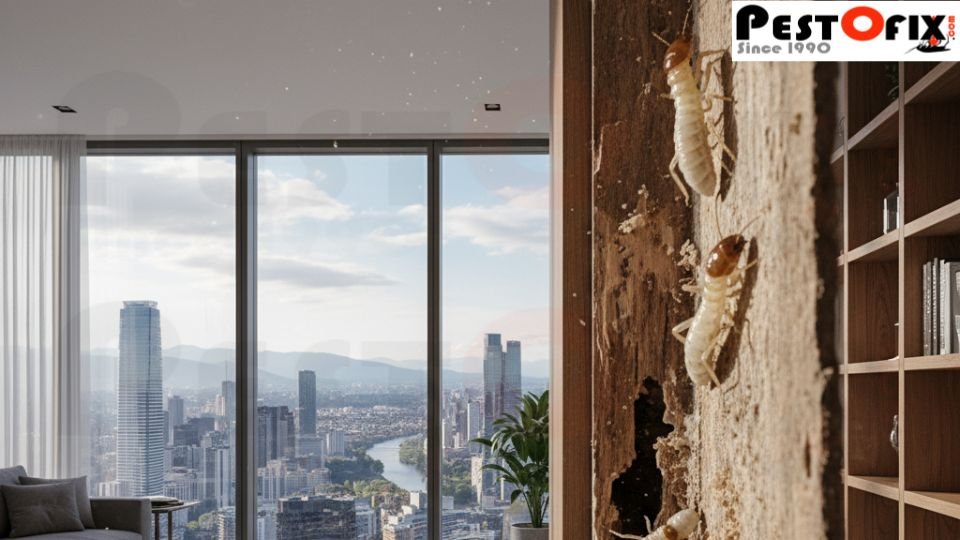
Many apartment and high-rise owners believe that termites only attack ground-level homes. This misconception often leads to hidden infestations that silently damage wooden furniture, flooring, and structural beams.
This blog provides a complete guide on termite behavior, multi-storey building infestations, professional termite control, preventive strategies, and expert insights to keep your home safe from termites.
Let’s explore why termites can reach every floor and why professional termite treatment is critical for apartment dwellers.
Why Multi-Storey Apartments Are Not Safe From Termites
Common Misconceptions About Termites in High-Rises
- Termites Can’t Reach Upper Floors: Subterranean termites can climb pipes, wooden panels, and shared wall structures to reach top floors.
- Drywood Termites Only Affect Furniture: They can also infest structural wooden elements, paneling, and wardrobes.
- High-Rise Living is Safe: Shared plumbing, wall cavities, and furniture can carry termites throughout the building.
Ignoring termite control in apartments often leads to hidden damage and costly repairs, even on floors far above the ground.
Signs of Termite Infestation in Apartments
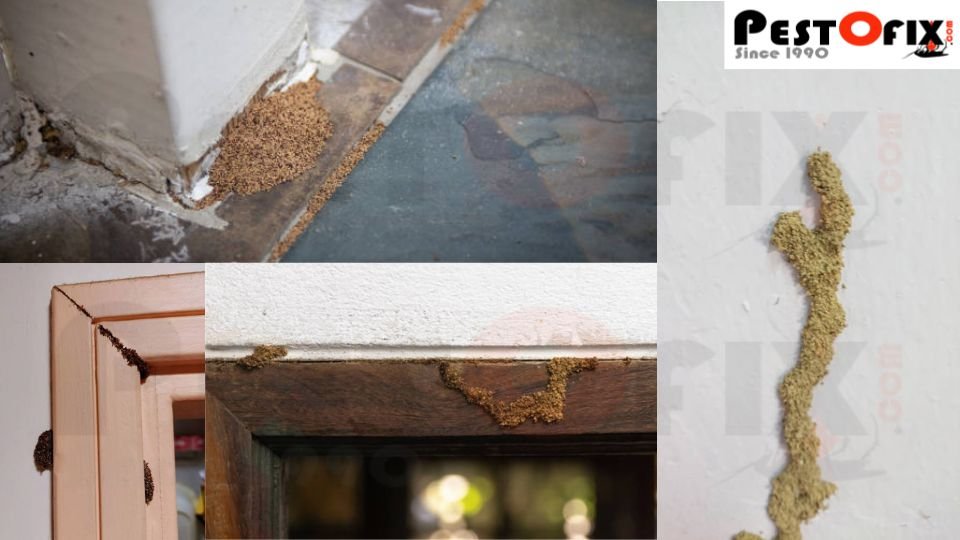
- Hollow-sounding wood in furniture, flooring, or paneling.
- Small piles of sawdust near closets or wooden furniture.
- Swarming termites near windows or balconies, especially after rains.
- Cracked paint or unexplained wood damage inside apartments.
- Mud tubes along walls or plumbing conduits.
Early detection allows for timely termite treatment, preventing major structural and cosmetic damage in apartments.
Professional Termite Control: The Only Long-Term Solution

1. Comprehensive Inspection
Experts inspect your apartment thoroughly, locating entry points, wooden structures, furniture, and plumbing pathways where termites may travel.
2. Targeted Termite Treatment
Professional termite control uses specialized chemicals and baiting systems that reach hidden colonies, protecting both furniture and structural elements.
3. Species-Specific Knowledge
Different termite species require different treatments. Drywood, subterranean, or dampwood termites each need tailored approaches for complete eradication.
4. Long-Term Prevention
Post-treatment strategies include sealing entry points, applying protective barriers, and implementing monitoring programs to catch future infestations early.
5. Peace of Mind
Hiring experts ensures effective control, long-term protection, and avoids repeated DIY failures, saving time, money, and stress.
DIY Termite Treatments Often Fail in High-Rises
- Surface sprays reach only visible areas, missing hidden nests.
- Furniture treatments alone cannot protect structural beams or flooring.
- DIY methods rarely prevent reinfestation through shared building structures.
Preventive Tips for Apartment Residents
- Regularly inspect wooden furniture, flooring, and paneling.
- Seal cracks around windows, doors, and plumbing conduits.
- Keep stored items off the floor and maintain ventilation in storage areas.
- Monitor for termite swarms, especially during rainy seasons.
- Engage professional termite control at least once a year.
FAQs About Termite Control in Multi-Storey Apartments
- Can termites really reach top floors?
Yes. Termites travel through plumbing, shared walls, and furniture, affecting any floor in multi-storey buildings. - Are DIY treatments effective in apartments?
DIY methods provide short-term relief but cannot eradicate hidden infestations or protect structural wood. - How often should apartments get professional termite treatment?
At least once a year, with additional inspections after rains or signs of infestation. - Is professional termite control safe for children and pets?
Yes. Licensed companies use targeted, safe treatments and follow strict safety protocols. - Can structural repairs prevent termite entry?
Yes. Sealing gaps, cracks, and shared wall openings reduces the risk of new infestations.
DIY vs Professional Termite Treatment
- DIY Treatments: Temporary relief for furniture or small areas but fail to protect structural wood.
- Professional Treatments: Ensure full coverage, long-term prevention, and expert monitoring in apartments.
Key Preventive Measures After Treatment
- Seal gaps, cracks, and plumbing conduits.
- Maintain clean and clutter storage and living areas.
- Inspect wooden furniture and flooring regularly.
- Monitor for termite activity during rainy and humid seasons.
Conclusion: Protect Your Apartment With Expert Termite Control
Even apartments and high-rise buildings are vulnerable to termite infestations. DIY treatments may reduce sightings temporarily but cannot protect hidden wooden structures or prevent reinfestation.
Professional termite control ensures inspections, targeted treatments, and preventive strategies that safeguard your home from the ground floor to the penthouse.