

 Get Estimate
Date: 23-May-2025 | By: Pestofix Team
Let’s be honest—house flies are gross. But what’s even more disturbing is how easily they make their way into our homes, buzz around like they own the place, and end up contaminating our food. Even if your house is squeaky clean, these little invaders don’t need much to cause big trouble. So how do they do it? What’s their disgusting daily routine, and how does it affect you and your family? Let’s take a closer look at the house fly’s filthy journey—from drain to dinner plate.
Where the Journey Begins: The Dirtiest Places on Earth
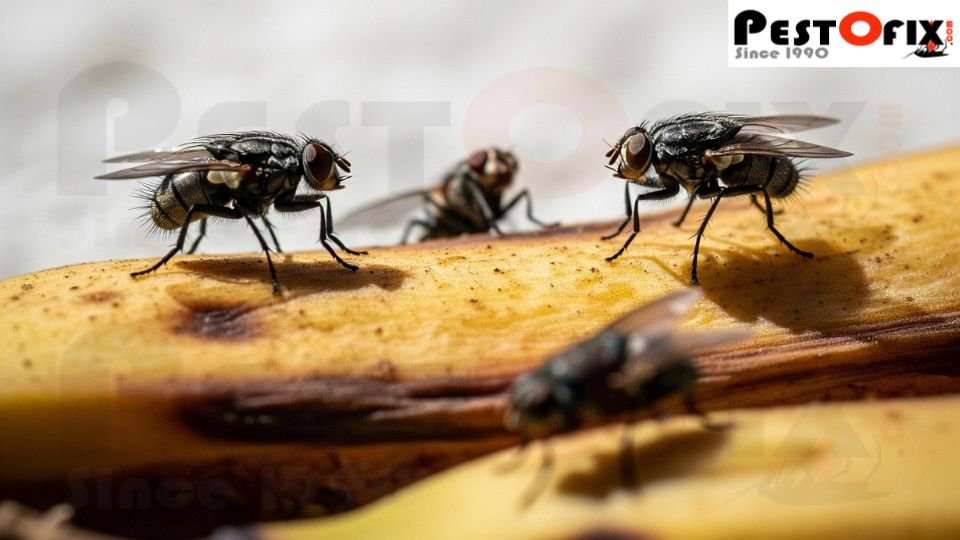
House flies are not born in fresh air and flowers—they’re born in filth. Their favorite breeding spots are:
- Open garbage bins
- Rotting food and animal waste
- Clogged drains and sewer outlets
- Compost piles and decaying organic matter
Female flies lay up to 500 eggs in these environments, and within hours, those eggs hatch into maggots. Gross, right? But it gets worse—they then feed and grow right there in the muck before emerging as adult flies, ready to explore your home.
How Do They Get Inside Even Clean Homes?
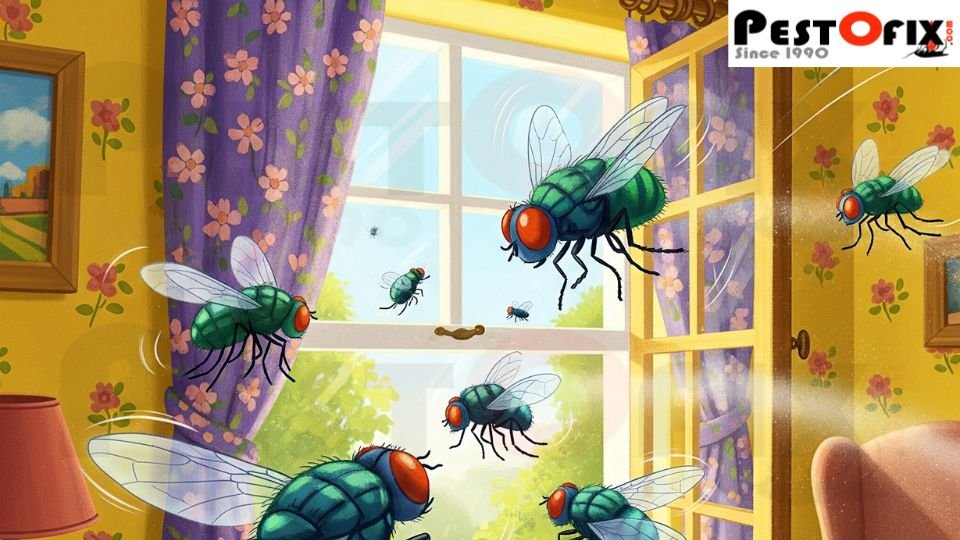
You could have the most spotless house on the block, but house flies are sneaky and persistent. They get in through:
- Open windows and doors without screens
- Cracks in walls or broken mesh on vents
- Grocery bags, especially those with fresh produce or meat
- Drainpipes that connect to infested areas outside
Once inside, they look for warmth, moisture, and—most importantly—food. Your kitchen is the perfect five-star fly hotel.
What Do Flies Actually Do All Day?
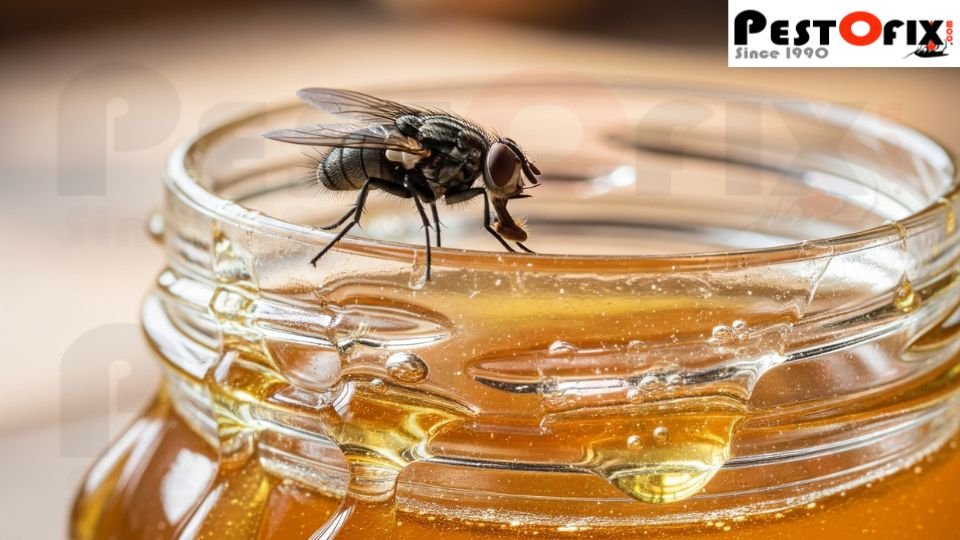
It may look like they’re just buzzing around, but house flies are actually quite busy—spreading bacteria. Their legs, wings, and mouthparts are covered in tiny hair-like structures that trap everything they touch. So when they land on:
- Your garbage bin
- Your pet’s waste
- A dirty drain
And then immediately zip over to your salad bowl, they’re delivering a disgusting payload of germs. They also vomit digestive enzymes onto food to break it down before sucking it up. Yes, they literally puke on your food.
The Health Risks You Can't See
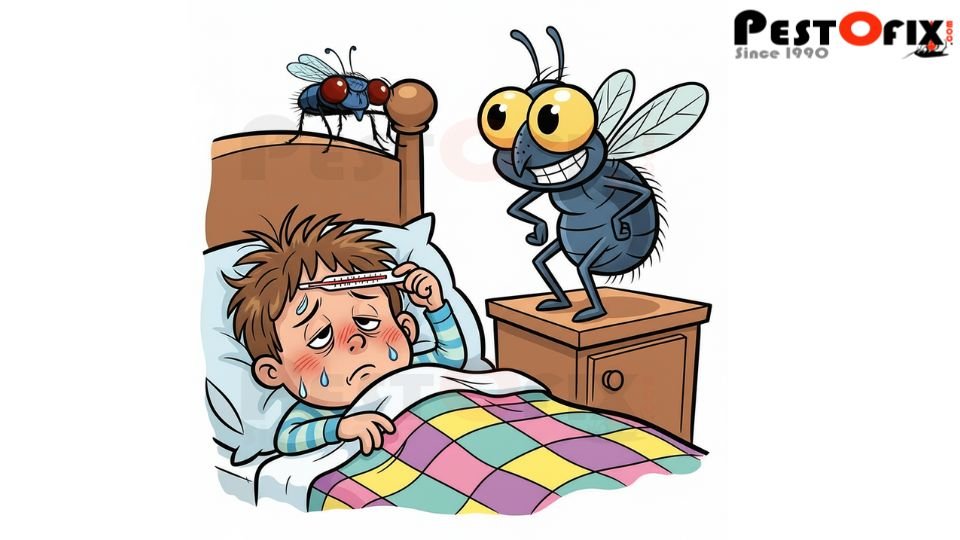
House flies carry more than just annoyance—they carry disease. They’re known to spread:
- Typhoid fever
- Cholera
- Dysentery
- Tuberculosis
- Salmonella and E. coli
Even just a few flies in your home can lead to foodborne illnesses, especially dangerous for children, the elderly, and anyone with a weakened immune system.
Why You Shouldn’t Ignore the First Few Flies
Think it’s “just one or two”? Think again. A single fly can become dozens in a matter of days. If they find a food source and a place to lay eggs, they’ll stick around—and multiply. Ignoring the issue only lets it spiral out of control, and you’ll be dealing with a full-on infestation before you know it.
How to Break the Cycle Before It Starts
The best way to stop flies from completing their dirty journey is to cut them off before they get comfortable. Here’s how:
- Cover drains when not in use
- Keep food sealed and counters wiped
- Use mesh screens on windows and vents
- Empty garbage bins daily
- Schedule regular professional pest inspections
DIY tricks like fly paper and sprays might help short-term, but to truly get rid of them, you need to stop their breeding grounds and entry points.
Conclusion: From Filth to Food—Don’t Let It Happen in Your Home
House flies may seem like harmless little bugs, but their journey from drain to dinner plate is anything but innocent. They thrive in filth, travel fast, and can bring a whole load of disease into your otherwise clean home. Spotting even a few should be a wake-up call. Protect your space, your family, and your health—because when it comes to flies, what you don’t see can definitely hurt you.