

 Get Estimate
Date: 21-Apr-2025
Ants might look harmless at first glance, but their tiny size doesn’t stop them from causing big headaches. Once an ant scouts out food or shelter, it lays down a pheromone trail so an entire army can follow. Before you know it, an innocuous crumb turns into a full‑scale invasion. In this article, we’ll dig into exactly what attracts ants to your house and how can you prevent it, offering practical tips to keep these persistent pests at bay.
Whether you’re dealing with sugar ants in the pantry or aggressive carpenter ants chewing through your woodwork, understanding their motivations is the first step toward lasting control. Let’s roll up our sleeves and explore the secrets behind ant invasions—and the foolproof strategies to shut their door.
1. Understanding Ant Behavior
Ants communicate primarily through pheromones—chemical signals that guide nest mates to resources. A single ant that discovers a food source heads back to the nest, leaving a scented breadcrumb trail. In response, dozens (or even hundreds) will follow the same path.
- Pheromone Trails: Fresh trails are more attractive. Vinegar or citrus can help erase them.
- Scout vs. Worker Ants: Scouts explore, workers collect. Targeting the scouts early prevents more workers from arriving.
- Nest Locations: Indoors, nests can form behind baseboards, inside walls, or beneath appliances.
2. Common Attractants in Your Kitchen
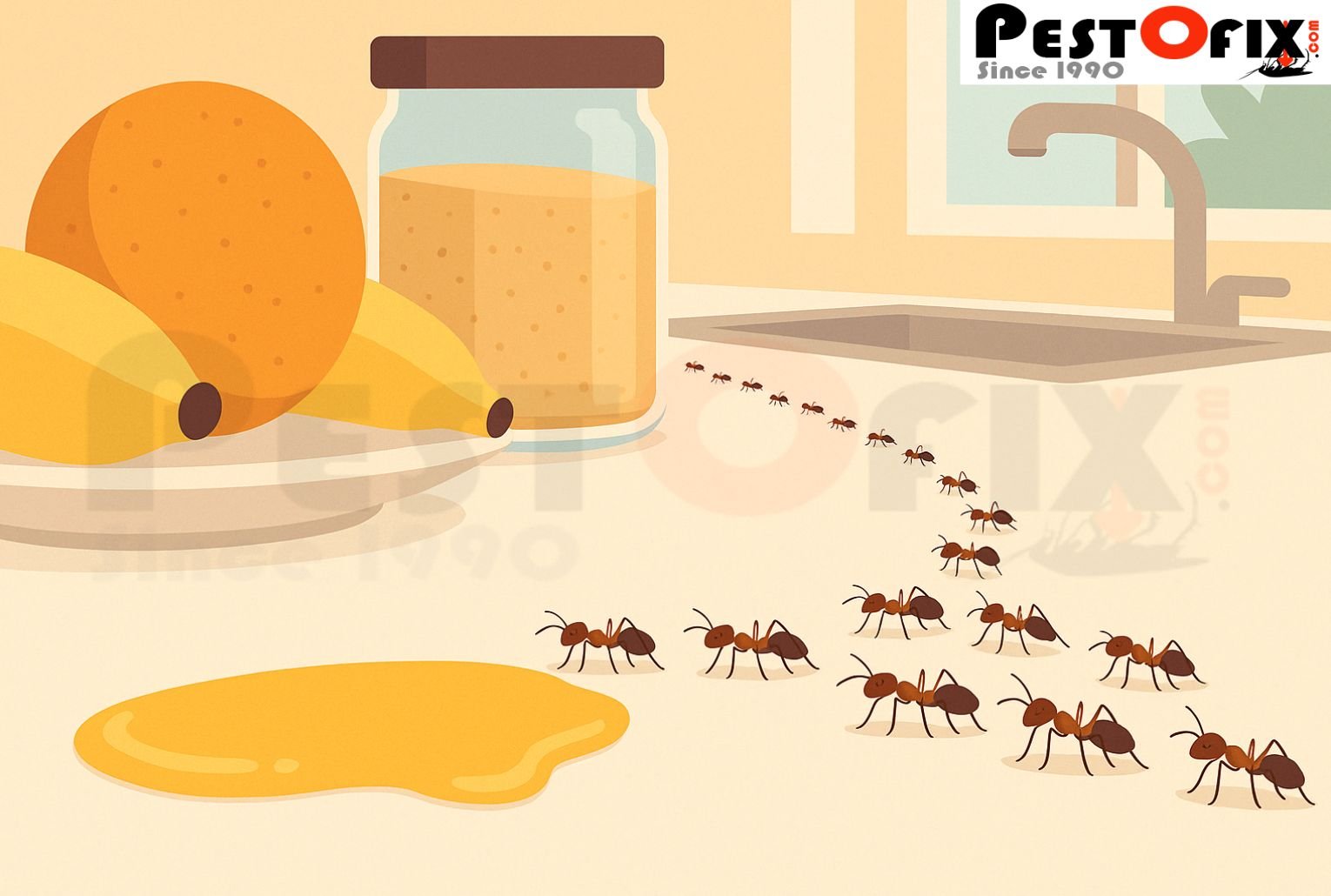
Your kitchen is a magnet for ants because it offers constant supplies of food and moisture. Even tiny spills can spark a trail they’ll follow day after day.
- Sweet Spills: Soda, syrup, fruit juice—clean up immediately.
- Greasy Film: Oils and fats left on stovetops or dishware are irresistible.
- Open Packages: Pet food, cereal, and sugar left unsealed invite early scout ants.
- Crumbs: Under the toaster, fridge, or counters—sweep and vacuum regularly.
- Standing Water: Leaky faucets or pet bowls are hydration stations for thirsty ants.
3. Other Household Invitations
Ants aren’t picky—they’ll move from your kitchen to any part of the home that offers shelter or moisture. Keep an eye on these hotspots:
- Bathrooms: Damp grout and forgotten bath mats hold moisture.
- Basements and Crawlspaces: Poor ventilation leads to high humidity.
- Cluttered Storage: Cardboard boxes and stacks of paper provide hidden highways.
- Foundation Cracks: Small gaps around the foundation or under doors make perfect entryways.
- Outdoor Bridges: Tree branches, ivy, or mulch touching siding act like a red carpet.
4. Seasonal and Environmental Factors
Season changes can drive ants indoors. In spring, they search for food after winter dormancy. In summer, heavy rains flood outdoor nests, forcing ants inside. Even indoor humidity spikes in monsoon or high‑rain regions create inviting microclimates.
Monitoring weather forecasts and adjusting your home maintenance—like running dehumidifiers or trimming back landscaping—can dramatically reduce these seasonal incursions.
5. Simple Prevention Techniques
Consistency is key. By making your home less appealing, you break the scout‑to‑nest feedback loop:
- Wipe all surfaces with a mild detergent daily to remove food residue and pheromones.
- Store pantry staples in airtight, hard‑plastic or glass containers.
- Fix leaking pipes and faucets promptly—inspect under sinks and around appliances.
- Seal gaps and cracks around windows, doors, and utility entry points with silicone caulk.
- Install door sweeps on exterior doors and weather stripping on windows.
- Keep outdoor garbage bins clean and at least 10 feet from the house.
6. Natural Remedies to Repel Ants
If you’re after chemical‑ solutions, your pantry has plenty of options:
- Vinegar and Water Spray: 50/50 mix cleans trails and disrupts pheromones. Reapply weekly.
- Citrus Peels: Lemons, limes, or oranges rubbed on thresholds block entry points.
- Essential Oils: Peppermint, tea tree, or eucalyptus oil dabbed on cotton balls and placed near nests.
- Cayenne or Chili Powder: A spicy barrier that ants avoid crossing.
- Dish Soap Trap: A few drops in a shallow dish of water creates a drowning trap for scouts.
Rotate these methods to prevent ants from developing tolerance.
7. When to Call a Professional
Sometimes DIY efforts aren’t enough—particularly with large or hidden nests. A professional pest control technician will:
- Accurately identify the ant species and map out nest locations.
- Use targeted baits and barrier treatments safe for kids and pets.
- Provide a follow‑up plan to monitor and prevent reinfestation.
- Offer seasonal maintenance plans that cost less than repeated DIY expenses.
While professional services involve an upfront cost, the time saved and peace of mind often outweigh ongoing DIY struggles.
Conclusion
Understanding what attracts ants to your house and how can you prevent it empowers you to take control before a minor annoyance becomes a major headache. By combining vigilant cleaning, smart sealing, and natural repellents—and bringing in experts when needed—you can maintain an ant‑ home all year round. Ready to lock the door on ant invasions? Start with these steps today, and enjoy your kitchen, bathroom, and living spaces without unwanted six‑legged visitors.