

 Get Estimate
Date: 28-Apr-2025
Let’s be honest: nobody wants rats running around their house. So, it makes perfect sense when homeowners roll up their sleeves and try some DIY rodent-proofing. For smaller problems, a few quick fixes might actually help. But here’s the catch — when the rodent problem is bigger, DIY can backfire badly. In fact, certain common mistakes don’t just fail — they actually make things worse. Let’s dig into what you need to avoid if you’re serious about keeping rats out for good.
When DIY Works (And When It Doesn't)
If you spot a rat or two outside your garage or notice a few suspicious droppings in the attic, DIY fixes like sealing a crack or setting a trap can definitely help. Small infestations are manageable with careful action.
But if you’re dealing with multiple rats, visible nests, strong smells, or heavy gnawing damage, DIY just won't cut it. Rats multiply fast and adapt even faster. Half-done fixes only give them more time to expand their territory inside your home.
Common DIY Mistakes That Invite More Rats
Using Weak Materials for Sealing Entry Points
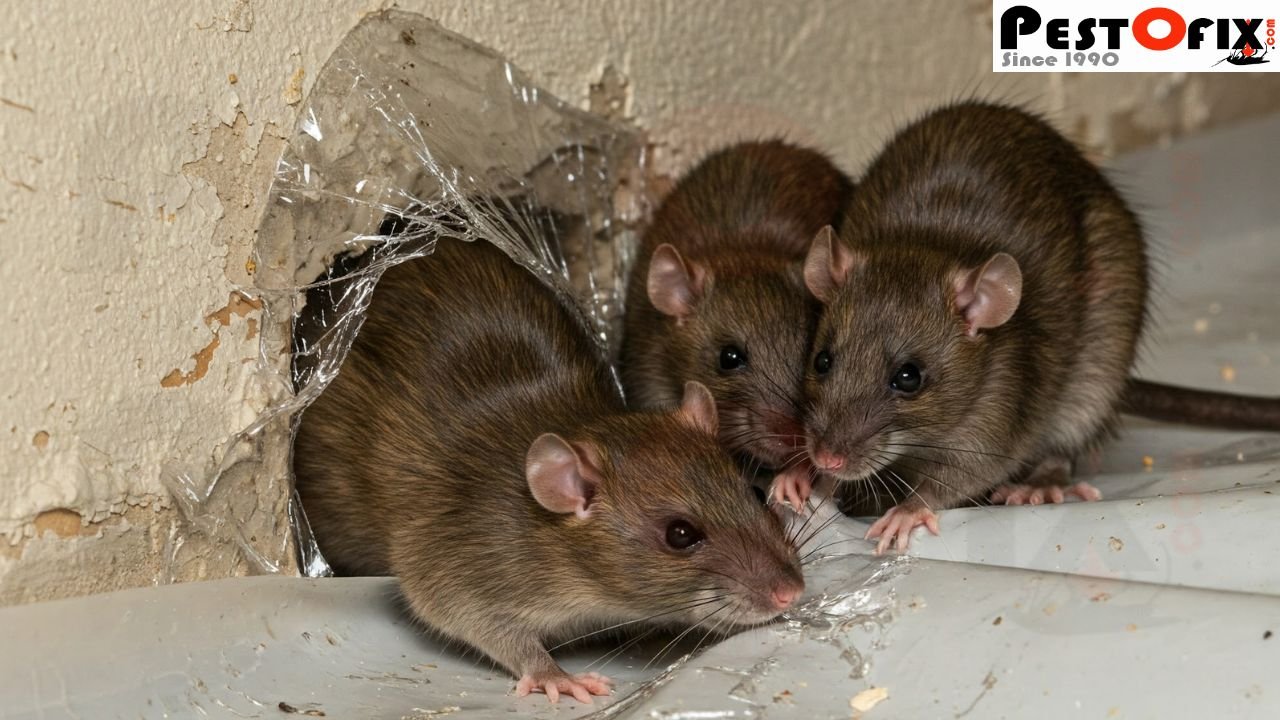
Rats are surprisingly strong for their size. Materials like foam, soft caulking, plastic mesh, or even wood are no match for their sharp teeth. Homeowners often patch holes quickly without realizing rats can chew through most DIY materials in hours.
- Use steel wool, metal flashing, or concrete-based fillers
- Always check if the material is "rat-proof" rated before buying
Blocking Only the Visible Holes
Most people seal the obvious holes they can see — around pipes, doors, or vents. But rats are masters of squeezing into the smallest, most unexpected spaces. Missing even a single hidden hole (especially near rooflines, crawlspaces, or behind appliances) can make all your efforts useless.
- Inspect during the evening when rats are active
- Look for greasy marks (rat trails) around hidden areas
Over-Reliance on Traps and Poison
Setting traps or poison seems like an easy DIY solution — but it’s a temporary fix, not a cure. Traps might catch a few rats, but if you haven’t closed off entry points, dozens more could be lurking out of sight. Poison can create bigger headaches like dead rats stuck in walls, leading to terrible odors and biohazards.
Ignoring the Outdoor Areas
Your DIY focus might be inside your home, but rats often set up shop outside first. Overgrown bushes, wood piles, open garbage bins, and cluttered sheds create ideal staging grounds. If you’re only sealing indoors, you're leaving the welcome mat wide open outside.
- Keep garbage tightly sealed
- Trim plants and bushes at least two feet from walls
- Clear out yard debris and woodpiles
Not Following Up After Initial Fixes
Rodent-proofing isn’t a one-time event — it’s an ongoing process. Weather changes, aging house materials, and clever rats can create new gaps over time. Many DIY attempts fail because homeowners stop checking after the first patch-up job.
- Re-inspect vulnerable spots every few months
- Check especially after storms or heavy rain
When It's Time to Call in the Pros
If you hear rats inside walls, spot heavy droppings, notice structural gnawing, or smell strong ammonia-like odors, it’s beyond DIY territory. Professional pest control experts know how to spot hidden nests, track movements, and use industrial-grade sealing materials that truly stop rats from coming back.
Trying DIY on a major infestation isn’t just frustrating — it gives rats more time to settle in, breed, and damage your home even worse.
Conclusion: Know the Limits of DIY Rodent Control
DIY rodent-proofing can definitely help in small, early-stage infestations — but it’s not a substitute for professional help when things get serious. Rats are resilient, smart, and persistent. Half-baked DIY efforts often end up inviting even more rats into your home instead of driving them away.
Smart homeowners know when to pick up a caulking gun — and when to pick up the phone. If you’re seeing signs of a bigger problem, don’t wait. Get professional help and reclaim your home from unwanted furry invaders!