

 Get Estimate
Date: 30-December-2025 | By: Pestofix General Pest Control Experts
Winter is commonly mistaken as a “safe season” with low pest risk. The reduction in visible insects outdoors creates a false sense of relief — leading many homeowners to delay or skip general pest control during winters.
In reality, winter marks a critical shift in pest behaviour. Instead of disappearing, pests relocate indoors, settle deeper into structures, and prepare for rapid multiplication once temperatures rise.
Why Winter Changes Pest Behaviour Completely
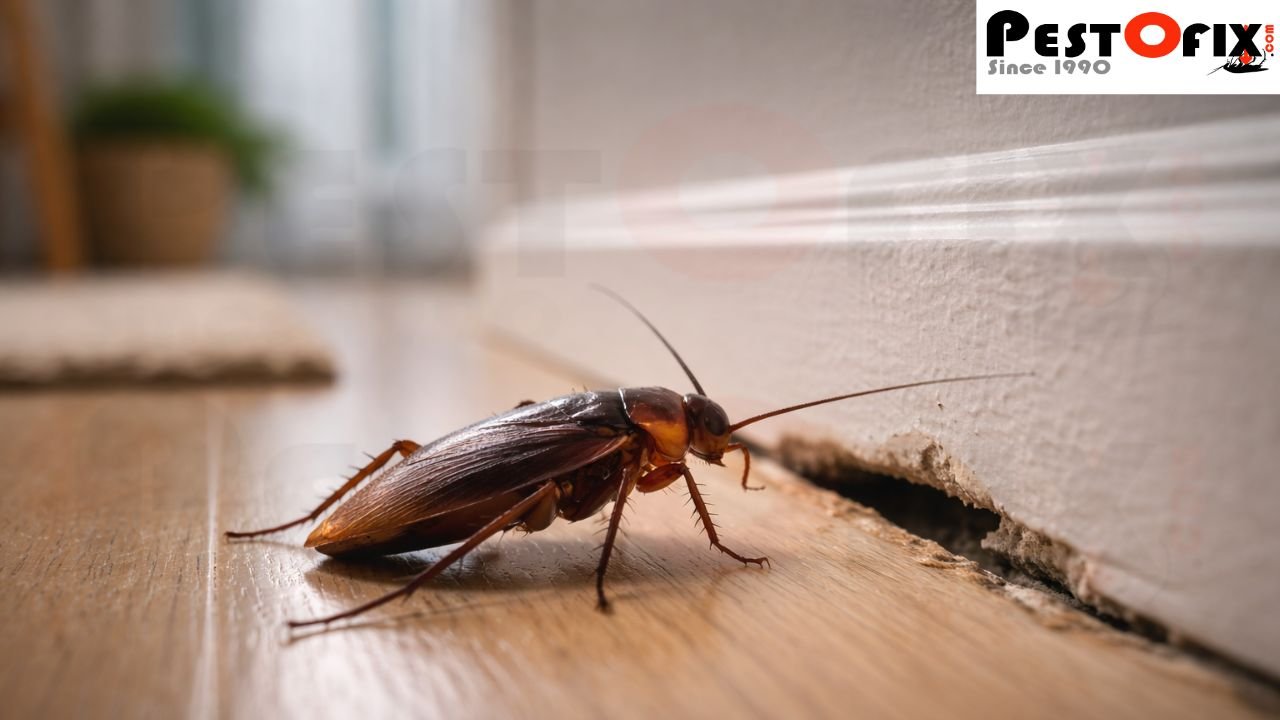
During winter, pests focus on survival rather than movement. Warm indoor spaces become permanent shelters instead of temporary hiding spots.
- Pests migrate into wall cavities and ceilings
- Kitchens and bathrooms become nesting zones
- Reduced activity masks infestation presence
- Colonies stabilise instead of dispersing
This hidden settlement phase is exactly why winter pest control plays a preventive role, not a reactive one.
Why General Pest Control Works Better in Winter

Winter offers a strategic advantage for pest control professionals. With reduced outdoor movement, pests remain confined to predictable indoor locations.
- Lower pest dispersion improves treatment accuracy
- Colonies are easier to contain
- Residual treatments remain effective longer
- Preventive barriers establish before breeding season
This controlled environment makes general pest control more precise and longer-lasting in winters than in peak summer months.
Why Skipping Pest Control in Winter Backfires
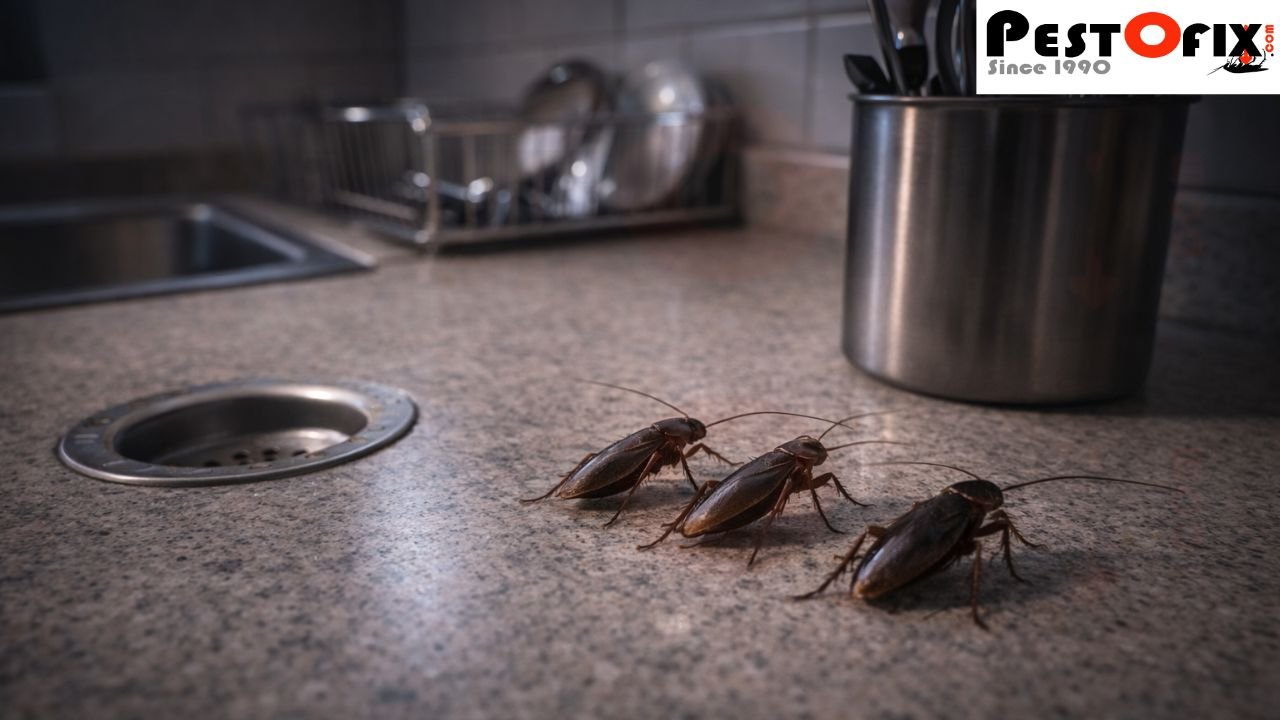
Many infestations that appear “sudden” in summer actually originate during untreated winter months.
- Pests establish stable nesting sites
- Breeding begins unnoticed
- Structural access points remain open
- Infestations spread internally
Skipping winter general pest control allows pests to gain a structural advantage that becomes difficult to reverse later.
Why Summer Pest Control Alone Is Not Enough
Summer treatments focus on visible pests and immediate relief. Winter pest control focuses on prevention, containment, and long-term stability.
- Summer controls symptoms
- Winter controls root causes
- Summer reacts to outbreaks
- Winter prevents outbreaks
Relying only on summer treatments leads to repeated infestations year after year.
Why Winter Is Ideal for Structural Pest Prevention
Cold weather slows pest movement, making entry points and activity zones easier to detect and address.
- Cracks and gaps are clearly traceable
- Moisture sources are easier to locate
- Harbourages remain undisturbed
- Preventive sealing lasts longer
This makes winter general pest control a foundation-setting phase rather than a short-term fix.
Why Urban Homes Need Winter General Pest Control
Modern urban homes provide ideal winter shelter for pests due to enclosed construction and shared infrastructure.
- False ceilings and wall voids
- Shared plumbing and ducts
- Warm indoor temperatures
- Consistent food access
These conditions make winter pest control a necessity, not an option.
Winter Pest Control Is About Prevention, Not Panic
Winter infestations rarely announce themselves. They develop silently, strengthening before becoming visible.
Treating winter as a preventive control phase reduces summer infestations, emergency treatments, and long-term damage — making general pest control far more effective when started early.