

 Get Estimate
Date: 03-October-2025 | By: Pestofix Team
Termites are one of the most destructive pests that silently damage homes and offices. In Rohini, with its mix of residential apartments, commercial buildings, and pre-construction projects, termite infestations are a growing concern. Understanding pre-construction and post-construction termite control is crucial to protect your property, save costs, and ensure structural safety.
In this comprehensive guide, we cover everything from termite behavior, detection, prevention, treatment methods, and long-term protection specifically tailored for Rohini residents.
Termites – The Silent Destroyers
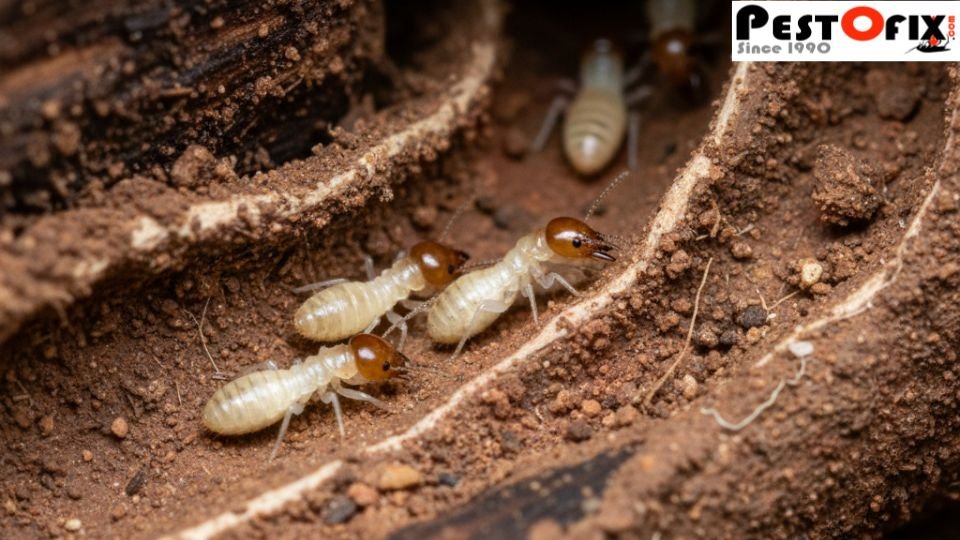
Termites may be small, but their impact is enormous. Often called silent destroyers, these pests eat through wooden structures, flooring, furniture, and even weak concrete. A small termite colony can expand rapidly, causing damage that may cost lakhs of rupees to repair.
Rohini’s urban environment, with high-density residential complexes and new construction projects, makes it a hotspot for termite infestations. Whether you are building a new property or managing an existing one, termite control is not optional—it’s essential.
Why Termite Control is Critical in Rohini

Rohini’s climate, construction practices, and soil types create an ideal environment for termites:
- High moisture levels: Water leaks, plumbing issues, and damp foundations attract termites.
- Mixed construction: Older wooden structures combined with new concrete and brick buildings create hidden termite pathways.
- Rapid urbanization: New residential projects often lack thorough pre-construction termite treatment, increasing infestation risk.
Ignoring termite control in Rohini can result in:
- Structural damage to your property
- Reduced property value
- Financial burden due to repair costs
- Health risks from mold and moisture associated with termite damage
Our mobile termite treatment teams are available throughout Rohini, including Sector 3, 7, 8, 11, 13, 14, 16, 17, 18, 21, 22, 24, 25, Prashant Vihar, Rithala, Rohini Sec-5 Metro, and all surrounding areas.
Understanding Termites: Types, Signs, and Habits
Types of Termites Commonly Found in Rohini
1. Subterranean Termites
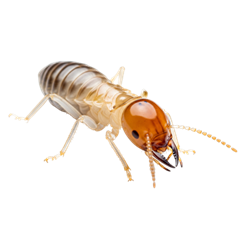
- Live underground and build mud tubes to access wood
- Most destructive type in urban settings
2. Drywood Termites

- Infest dry wood without soil contact
- Found in furniture, doors, and wooden panels
3. Dampwood Termites

- Prefer moist wood and decaying timber
- Rare in urban homes, more common in damp basements
Signs of Termite Infestation
- Hollow-sounding wood when tapped
- Mud tubes along walls, floors, or foundations
- Discarded wings near windowsills or doors
- Sagging floors, damaged doors, or creaking ceilings
Habits
- Termites are nocturnal and mostly hidden
- Colony expansion is rapid—1 million termites in a year is possible
- Moisture and cellulose-based materials attract them the most
Pre-Construction Termite Control
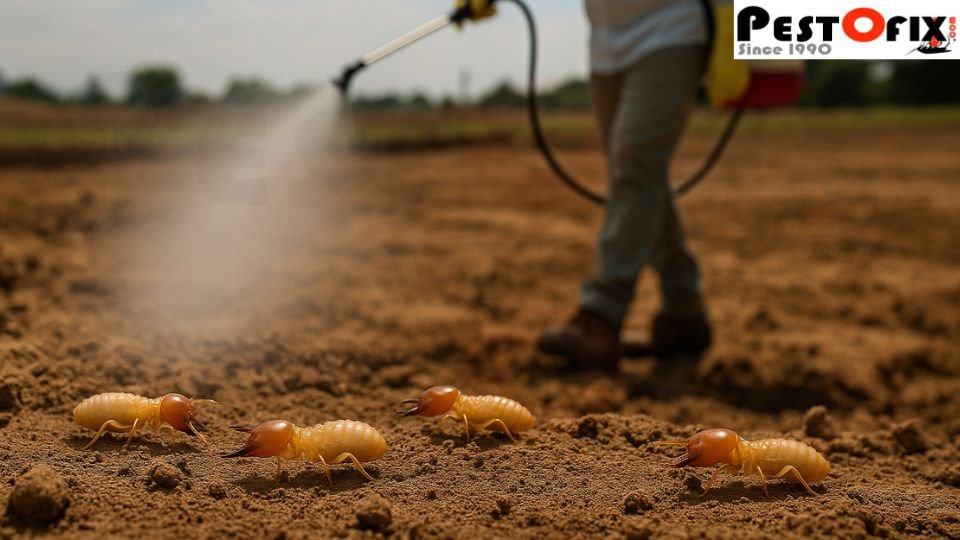
Pre-construction termite control is the most effective way to prevent future infestations. It involves treating the site before construction begins, ensuring that the building is protected from the ground up.
Soil Treatment
- Chemical soil treatment involves applying termiticides to the soil before laying the foundation.
- Fipronil and Imidacloprid are commonly used professional-grade chemicals.
- Soil treatment creates a barrier that kills termites on contact and prevents colony establishment.
Treated Wood & Materials
- All wooden elements should be pre-treated with termiticides.
- Use pressure-treated timber for doors, window frames, and beams.
- Avoid untreated timber in direct soil contact.
Pre-construction termite treatment reduces the need for repeated chemical applications later, saving time and money.
Post-Construction Termite Control
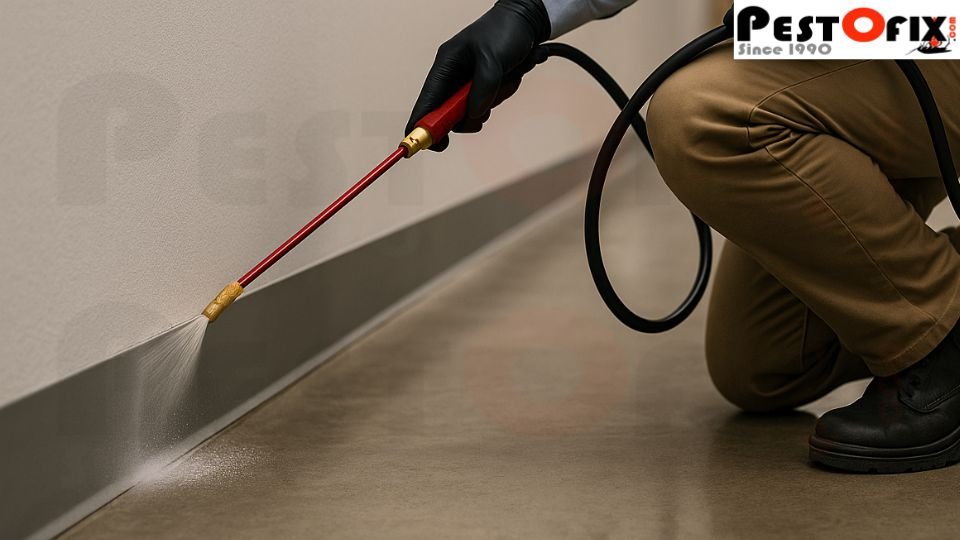
If your building is already constructed, post-construction termite control is essential to detect, control, and prevent active infestations.
Inspection & Detection
- Professional inspection using moisture meters, acoustic detection, and thermal imaging is critical.
- Regular inspections (every 6–12 months) help catch infestations early.
Chemical Treatments
- Liquid termiticides: Applied to soil around the foundation or injected into wooden structures.
- Surface sprays: Kill termites on contact and prevent entry.
- Popular chemicals: Fipronil, Chlorpyrifos, and Bifenthrin.
Tip: Post-construction treatment is often combined with moisture control and repair of damaged structures.
Why Termites Are Complex and Hard to Treat
Termites are highly organized, resilient, and adaptive insects. Unlike common pests, they do not just live on the surface—they build hidden colonies, often deep underground or inside wooden structures. A few key reasons why termite treatment is complex:
- Hidden Colonies: Subterranean termites can live meters below the surface and access your building through unseen mud tubes.
- Rapid Reproduction: A single colony can grow to millions in a year, making small infestations quickly escalate.
- Multiple Access Points: Termites enter through foundations, walls, plumbing gaps, wooden furniture, and even damp insulation.
- Colony Communication: Termites share chemical signals (pheromones), which help them avoid danger and survive many DIY treatments.
- Resistance to Surface Sprays: Most retail sprays only kill termites on contact. They do not reach the colony or eggs, meaning the infestation continues silently.
Key Takeaway: Termites cannot be eliminated with a quick spray or online DIY hack. Effective control requires professional assessment, targeted chemicals, baiting systems, and long-term monitoring.
Why Professional Termite Control is Essential in Rohini
Professional termite control is not a luxury—it’s a necessity. In Rohini, due to dense urban construction and high termite activity, attempting DIY methods is often a waste of time and money. Here’s why professional treatment is critical:
- Tailored Solutions: Experts evaluate the type of termite (subterranean, drywood, or dampwood) and the extent of infestation to choose the right treatment.
- Advanced Techniques: Professionals use soil treatments, injection systems, and baiting technologies that penetrate deep into colonies—methods unavailable in retail sprays.
- Safety and Compliance: Chemicals used by professionals are safe when applied correctly and comply with environmental regulations. DIY sprays may be toxic or ineffective.
- Guaranteed Results: Most professional services provide warranty-backed solutions, ensuring the infestation is completely eradicated.
- Long-Term Monitoring: Termites can return if not fully treated. Professionals install monitoring stations and schedule follow-ups to ensure lasting protection.
Important Message for Homeowners: Using cheap sprays or following online hacks is like putting a band-aid on a broken dam. Termite infestations require strategic, professional interventions to prevent costly damage to your property.
Long-Term Prevention and Monitoring
Long-term termite control involves a combination of monitoring, maintenance, and preventive measures:
- Regular Inspections: Every 6–12 months, especially in high-risk areas.
- Moisture Control: Fix leaking pipes, maintain drainage, and reduce dampness.
- Wood Maintenance: Use treated wood and avoid direct soil contact.
- Landscape Management: Avoid mulch directly against the building; keep plants away from foundations.
- Professional Maintenance Contracts: Many Rohini services offer yearly plans for inspections and treatments.
FAQs: Everything You Need to Know
Q1: How quickly can termites destroy a building?
A: Subterranean termites can cause significant damage within 3–5 years if untreated.
Q2: Is pre-construction termite treatment really necessary?
A: Absolutely. It’s cheaper, more effective, and prevents infestations before they start.
Q3: Are eco-friendly treatments effective?
A: Yes, for minor infestations and prevention, but heavy infestations require professional-grade chemicals.
Q4: Can termite control be done during monsoon in Rohini?
A: Yes, but soil treatment is more effective during dry periods. Post-construction treatments can be applied anytime.
Q5: How often should termite inspections be done?
A: Every 6–12 months for homes; commercial properties may need quarterly inspections.