

 Get Estimate
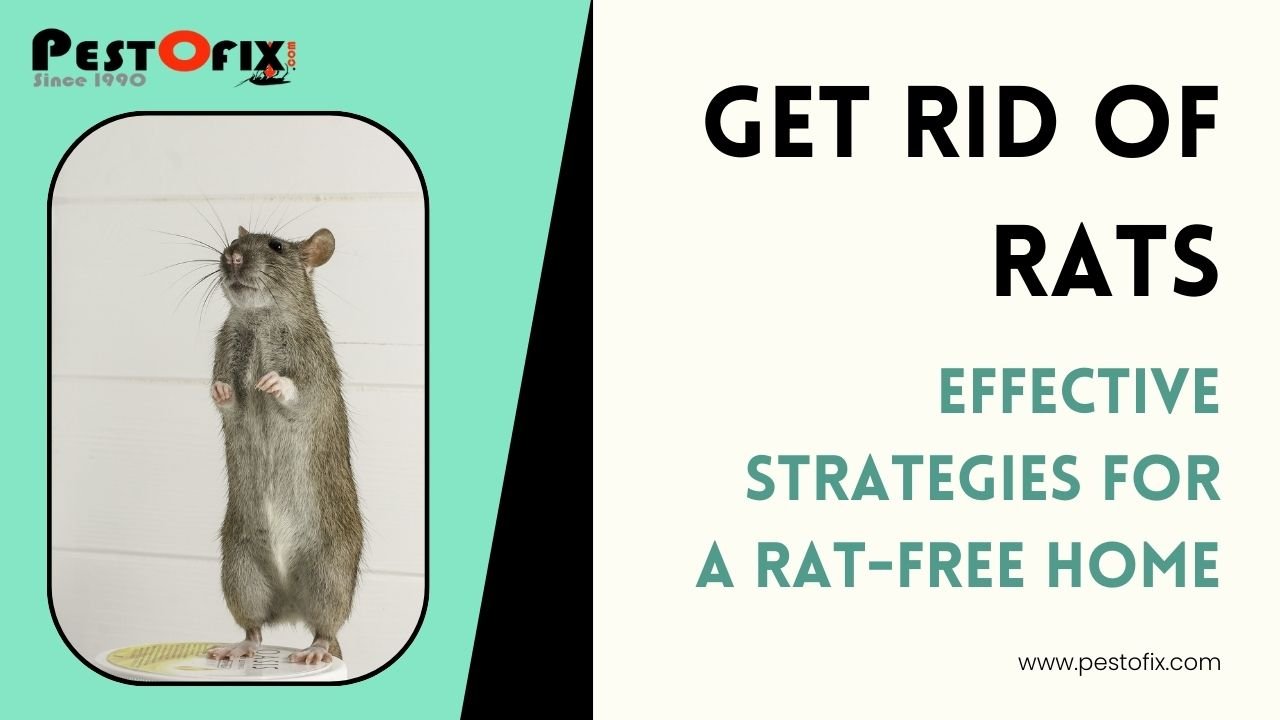
Get Rid of Rats: Effective Strategies for a Rat Home
Need Help with Termite & Pest Control?
Our experts at Pestofix are just a call away!
Call Now: 9958157574Table of Contents
Understanding Rats: Behavior and Habits
Before tackling a rat problem, it's essential to understand their behavior and habits. Rats are intelligent, adaptable rodents that can thrive in various environments. Common species include the Norway rat and the Roof rat, each with distinct characteristics:
Norway Rat (Brown Rat):
- Larger and more robust.
- Prefers burrowing in the ground.
- Commonly found in basements, sewers, and agricultural areas.
Roof Rat (Black Rat):
- Smaller and more agile.
- Prefers nesting above ground in attics, trees, and roofs.
- Excellent climbers and swimmers.
Understanding these differences helps in identifying the type of rat infestation and choosing the appropriate control methods.
Signs of a Rat Infestation
Early detection is crucial in managing a rat problem. Look out for the following signs:
- Droppings: Fresh rat droppings are dark and pellet-shaped, typically found near food sources and nesting areas.
- Gnaw Marks: Rats chew on wood, plastic, and electrical wiring, which can cause significant property damage.
- Gnaw Sounds: Scratching and scurrying noises, especially at night, indicate active rat movement.
- Nests: Rats build nests using shredded materials like paper, fabric, and insulation.
- Tracks and Runways: Visible pathways along walls, floors, and baseboards.
- Odor: A strong, musky smell from rat urine and droppings.
Identifying these signs early can prevent a small issue from escalating into a full-blown infestation.
Effective Methods to Get Rid of Rats
Combating a rat infestation requires a multifaceted approach. Here are the most effective methods to eliminate rats from your property:
1. Sanitation and Exclusion
Sanitation involves removing food and water sources that attract rats. Exclusion focuses on sealing entry points to prevent rats from entering your home.
Steps to Implement Sanitation and Exclusion:
Eliminate Food Sources:
- Store food in airtight containers.
- Clean up spills and crumbs immediately.
- Secure garbage bins with tight-fitting lids.
Remove Water Sources:
- Fix leaky pipes and faucets.
- Ensure proper drainage to eliminate standing water.
Seal Entry Points:
- Inspect your home for holes, cracks, and gaps larger than 1/4 inch.
- Use steel wool and caulk or metal flashing to seal openings.
- Install door sweeps and repair damaged screens.
Benefits:
- Reduces attractiveness of your home to rats.
- Prevents new rats from entering.
- Complements other control methods for long-term effectiveness.
2. Trapping
Trapping is a humane and effective way to reduce rat populations. There are various types of traps available:
- Snap Traps:
- Quick and lethal.
- Place along rat runways with attractive bait like peanut butter or dried fruit.
- Electronic Traps:
- Deliver a humane electric shock.
- Easy to clean and reuse.
- Live Traps:
- Capture rats alive for relocation.
- Requires frequent monitoring and proper handling to prevent return or spread.
Tips for Effective Trapping:
- Place traps perpendicular to walls where rats frequently travel.
- Use multiple traps to increase the chances of capture.
- Check traps regularly and dispose of rats promptly to avoid odors.
3. Baiting and Poisoning
Baiting involves using rodenticides to poison rats. This method should be used with caution, especially in homes with children and pets.
Types of Rodenticides:
- Anticoagulants: Cause internal bleeding over several days.
- Non-Anticoagulants: Affect the nervous system, leading to rapid death.
Safety Precautions:
- Place bait stations in inaccessible areas to prevent accidental ingestion.
- Follow label instructions meticulously.
- Consider professional application to ensure safe and effective use.
Effectiveness:
- Highly effective in reducing rat populations.
- Requires careful monitoring to assess impact and prevent resistance.
4. Natural and Homemade Remedies
For those seeking eco-friendly and non-toxic solutions, natural remedies can help deter rats.
Popular Natural Remedies:
- Peppermint Oil: Rats dislike the strong scent. Soak cotton balls in peppermint oil and place them around entry points.
- Ammonia: Mimics rat urine, creating an uncomfortable environment.
- Predator Urine: Use synthetic or natural predator scents to scare rats away.
- Ultrasonic Repellents: Emit high-frequency sounds that are unpleasant to rats but inaudible to humans.
Limitations:
- May not eliminate existing infestations.
- Best used as a supplementary measure alongside other control methods.
5. Professional Pest Control Services
When DIY methods are insufficient, professional pest control services offer comprehensive solutions.
Advantages of Hiring Professionals:
- Expertise: Knowledge of rat behavior and effective control strategies.
- Comprehensive Treatment: Combination of trapping, baiting, and exclusion techniques.
- Safety: Proper handling of rodenticides and safe application methods.
- Follow-Up: Ongoing monitoring and maintenance to prevent re-infestation.
Choosing a Pest Control Service:
- Ensure they are licensed and insured.
- Look for companies with positive reviews and proven results.
- Discuss your specific needs and any safety concerns upfront.
Preventing Future Rat Infestations
Prevention is key to maintaining a rat environment. Implement these strategies to minimize the risk of future infestations:
- Maintain Cleanliness:
- Regularly clean kitchens, storage areas, and garbage disposal sites.
- Avoid leaving pet food out overnight.
- Secure Building Perimeter:
- Trim vegetation and remove debris near your home.
- Ensure that vents, chimneys, and utility lines are properly sealed.
- Proper Waste Management:
- Use rat-proof garbage containers.
- Dispose of waste regularly and keep it away from your home.
- Monitor and Inspect:
- Conduct regular inspections for signs of rats.
- Address any issues promptly to prevent escalation.
Humanely Handling Rats
For those who prefer humane methods, there are ways to handle rats without causing unnecessary suffering:
- Live Traps:
- Capture rats alive and release them far from your property.
- Ensure release sites are suitable habitats to prevent return.
- Habitat Modification:
- Remove shelters and nesting materials.
- Create an environment that is inhospitable to rats.
- Natural Predators:
- Encourage the presence of natural predators like owls, snakes, and cats to keep rat populations in check.
Ethical Considerations:
- Always comply with local wildlife regulations.
- Ensure that humane methods are part of a broader control strategy to effectively manage rat populations.
Frequently Asked Questions (FAQ)
1. How long does it take to get rid of rats?
The timeframe depends on the severity of the infestation and the methods used. With consistent effort using multiple strategies, noticeable improvement can occur within a few weeks, while complete eradication may take several months.
2. Are rat poisons safe for pets and children?
Most rodenticides are toxic to pets and children if ingested. It’s crucial to use bait stations that are inaccessible to non-target animals and to follow all safety instructions meticulously. Consider professional application to minimize risks.
3. Can I get rid of rats on my own?
Yes, DIY methods like trapping, baiting, and sanitation can be effective for small to moderate infestations. However, for severe cases, professional pest control services are recommended.
4. What attracts rats to my home?
Rats are attracted to food sources, water, and shelter. Poor sanitation, accessible garbage, and entry points in your home can create an inviting environment for rats.
5. How do I prevent rats from entering my home?
Implementing exclusion techniques, maintaining cleanliness, securing food and waste, and regular inspections are key to preventing rats from entering your home.
Conclusion
Getting rid of rats requires a strategic and persistent approach. By understanding rat behavior, identifying signs of infestation, and implementing effective control methods, you can reclaim your home from these unwanted pests. Combining sanitation, trapping, baiting, and professional services ensures a comprehensive solution that not only eliminates existing rats but also prevents future infestations. Prioritize safety and ethical considerations, and consider consulting with pest control professionals for the best results. With dedication and the right strategies, you can achieve a rat and comfortable living environment.
Need Help with Termite & Pest Control?
Our experts at Pestofix are just a call away!
Call Now: 9958157574