

 Get Estimate
Date: 28-January-2026 | By: Pestofix Knowledge & Research Desk
Pest control is still commonly approached as a reaction. A problem appears, action follows, and once activity reduces, attention shifts elsewhere.
In 2026, this thinking no longer reflects reality. Pest presence today is closely tied to public health, indoor hygiene standards, and long-term environmental stability. This guide explains why pest control must now be understood as an ongoing health requirement rather than an occasional response.
Health Risks Often Develop Long Before Pests Are Noticed

Many pest-related health concerns do not begin with visible infestation. They develop slowly through contamination, droppings, nesting material, and repeated contact with living spaces.
- Gradual contamination of surfaces and storage areas
- Increase in allergens and irritants
- Higher exposure risk for children and elderly occupants
- Compromised hygiene in enclosed environments
By the time pests are clearly seen, health exposure has often already been ongoing for an extended period.
Why Modern Living Conditions Support Persistent Pest Activity

Changes in construction and lifestyle have unintentionally made indoor spaces more attractive to pests.
- Continuous availability of food and waste
- Stable indoor temperatures year-round
- Hidden structural voids and service ducts
- Limited natural disruption of pest habitats
These conditions allow pest populations to persist quietly, often without triggering immediate concern.
Hygiene Is Not Just Cleanliness — It Includes Pest Awareness
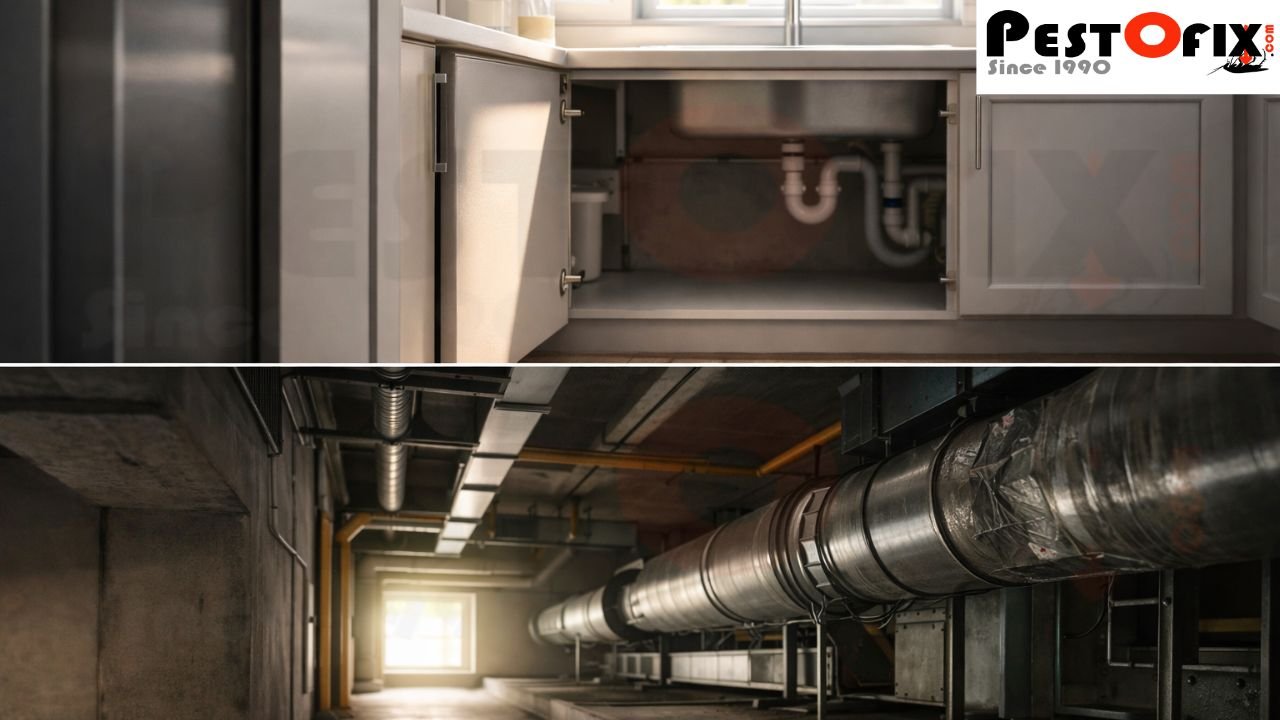
Hygiene is frequently reduced to visible cleanliness. However, pest-related hygiene issues often exist beyond what routine cleaning can address.
- Hidden nesting areas beyond reach of cleaning
- Contamination inside walls and ceilings
- Recurring exposure despite regular housekeeping
- False sense of security from surface-level cleanliness
Long-term pest control supports hygiene by addressing what cannot be seen during daily maintenance.
Why Pest Problems Tend to Reappear Without Long-Term Thinking
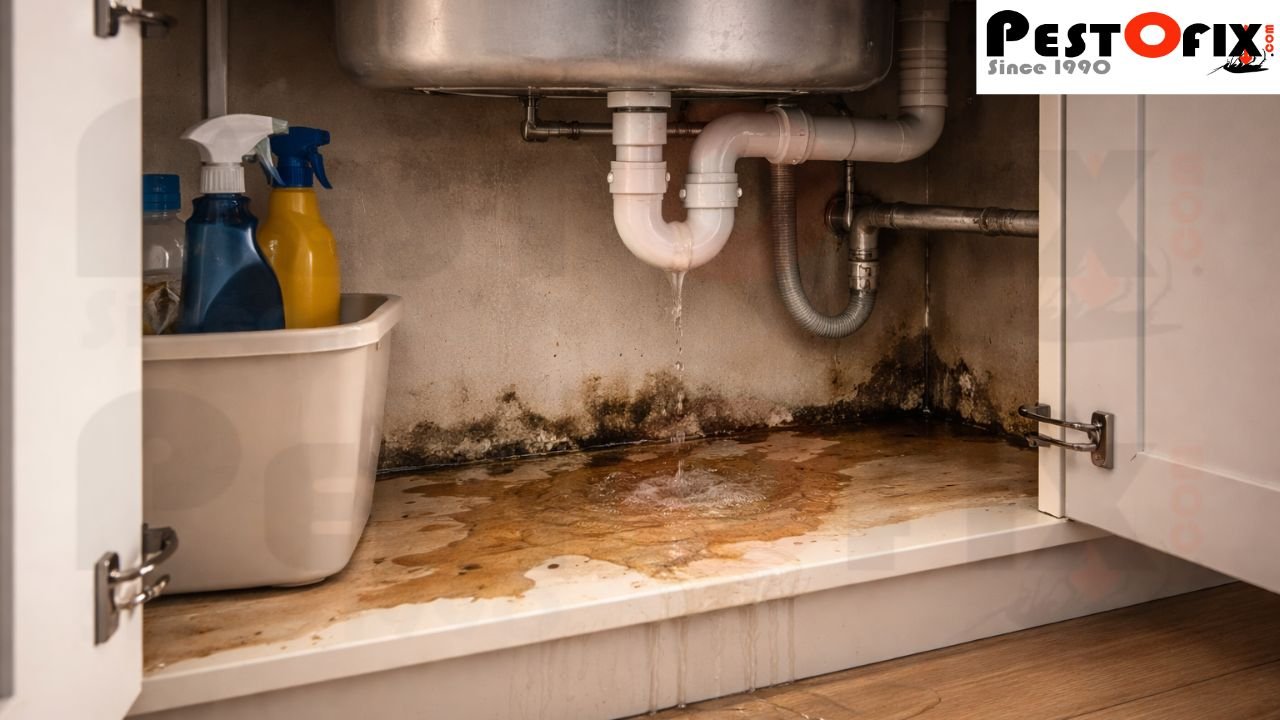
Repeated pest issues are rarely caused by chance. They usually indicate that underlying conditions have remained unchanged.
- Unaddressed shelter and moisture sources
- Incomplete understanding of pest behaviour
- Delayed recognition of early warning signs
- Reactive rather than preventive mindset
Viewing pest control as a long-term requirement shifts focus from recurrence to prevention.
Pest Control as a Preventive Health Practice
In 2026, pest control increasingly aligns with preventive health principles.
- Early identification of risk conditions
- Reduction of long-term exposure
- Support for consistent hygiene standards
- Protection of structural and living integrity
This approach explains why pest control is now considered part of responsible property care rather than an occasional corrective action.
Why Awareness Is the First Step in Long-Term Pest Control
Effective pest control begins with awareness — understanding how pests interact with living spaces and how health risks develop over time.
Informed decisions, regular observation, and timely professional insight help prevent small issues from becoming long-term hygiene concerns.