

 Get Estimate
Date: 25-Apr-2025
Just because your home recently had a termite treatment doesn’t mean the threat is completely gone. Termites are sneaky, persistent, and often return when you least expect it. That’s why annual termite inspections are so important. They’re like a yearly check-up for your house—helping you spot issues early before they become expensive disasters.
In this post, we’ll break down why these yearly inspections matter, what they involve, and how they can ultimately save your home (and your wallet) from major damage.
Why Termite Treatments Alone Aren’t Enough
Termite treatments are definitely effective at removing existing colonies, but they’re not magic. Most treatments only offer protection for a certain period—typically a few years at best. And depending on environmental factors, even that protection can wear off sooner than expected.
- Soil treatments can break down due to heavy rain or shifting foundations.
- Bait stations need monitoring and replenishing to remain effective.
- Wood treatments may not reach all the hidden or vulnerable areas of your home.
This means new colonies can move in once the treatment wears off—often without any visible signs. That’s where annual inspections come in.
The Persistent Threat of Termites
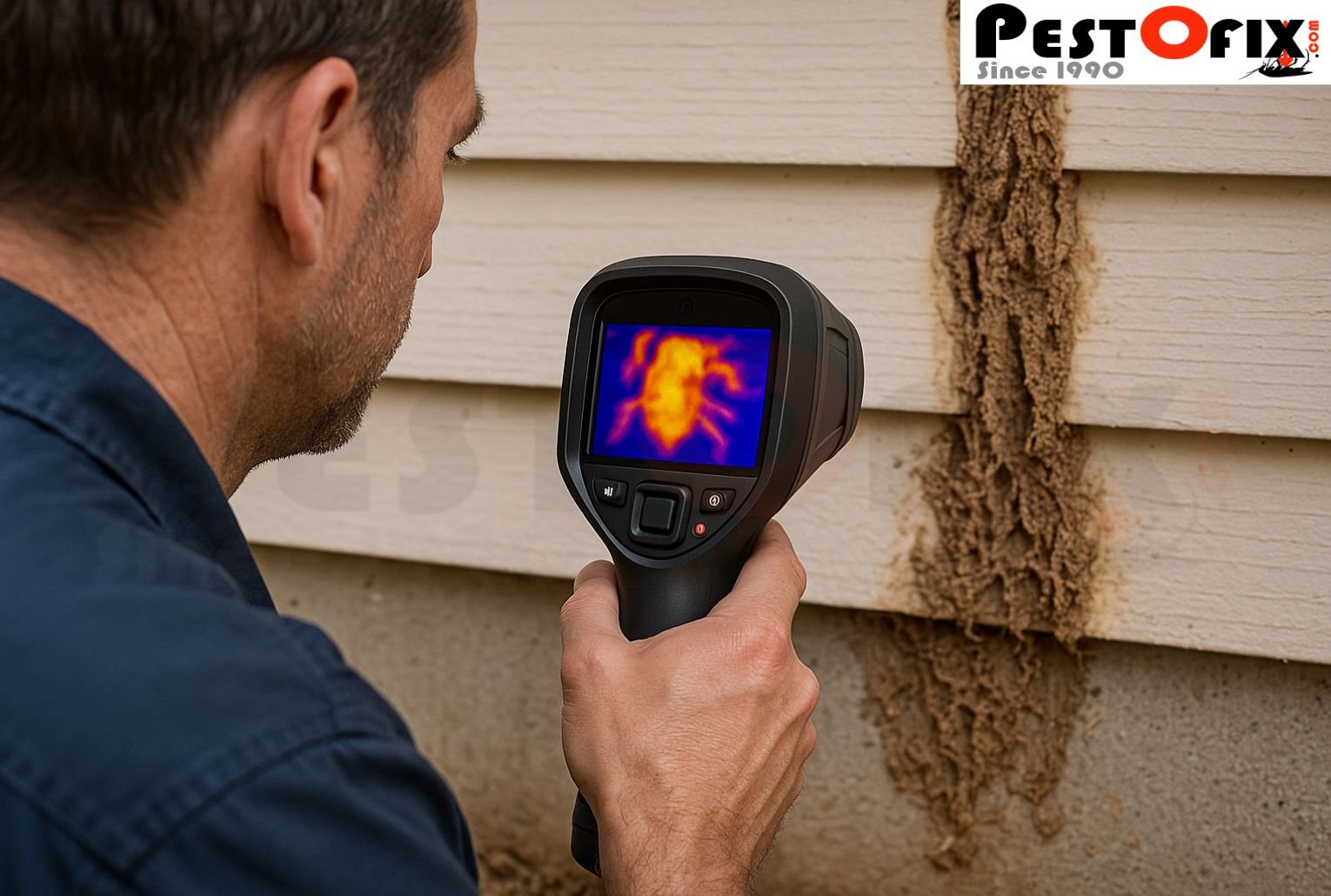
Termites don’t give up. Once they find a way into a home, they quietly eat away at the structure—sometimes for months—before any damage becomes noticeable. And they don’t need much to get started. A small crack in the foundation, a leaky pipe, or even moist mulch near the exterior can attract them.
Think of termites as silent houseguests that cost you thousands while hiding in your walls. Scary, right? That’s why ongoing vigilance is critical, even if you think your home is protected.
Signs Termites May Have Returned
After a treatment, you should still keep an eye out for warning signs of a possible reinfestation:
- Mud tubes near the foundation or walls—these are termite highways.
- Discarded wings from swarmers near windows and doors.
- Wood that sounds hollow when tapped—termites eat from the inside out.
- Peeling paint that looks like water damage—often caused by internal termite activity.
- Tiny droppings that resemble sawdust (called frass) left behind by drywood termites.
If you notice any of these signs, call a professional right away—even if it’s been just a few months since your last treatment.
Annual Inspections Catch Problems Early

Termite inspections aren’t just about spotting bugs. They’re about identifying risks, weak points in your home's defense, and subtle early signs that something’s wrong. A trained inspector knows exactly where to look—behind walls, beneath flooring, inside attics, and around foundations—places you might not think to check.
By catching issues early, inspections allow for fast and targeted treatments that prevent widespread damage. It’s a proactive, smart way to protect your most valuable asset.
Cost Savings and Peace of Mind
Think about it this way: regular inspections help you avoid the risk of major structural damage in the future. When termite issues go unnoticed, they can lead to extensive repairs, significant stress, and the hassle of reconstruction — sometimes even requiring you to temporarily vacate your home.
With annual inspections, you get peace of mind. You’ll know your home is being watched over, year after year, by professionals who can stop an infestation before it starts.
Maintaining Your Home’s Value
Whether you're planning to sell soon or just want to maintain your investment, termite inspections are crucial for preserving property value. Homes with untreated termite damage can suffer serious price drops. Worse, evidence of past infestations—especially without documented inspections—can scare off potential buyers completely.
On the other hand, having a history of regular termite inspections and treatments proves you’ve cared for your home properly. It’s a selling point, not a red flag.
What to Expect During an Annual Inspection
Worried the process will be disruptive or time-consuming? Don’t be. Most inspections are non-invasive and completed within a couple of hours. Here’s what typically happens:
- A licensed technician inspects interior and exterior wooden structures.
- Crawlspaces, basements, attics, and garages are examined for signs of damage.
- Moisture levels may be checked in areas prone to leaks or humidity.
- They’ll look for visible damage, frass, mud tubes, and live termites.
- You’ll receive a detailed report and recommendations for any follow-up action.
It’s fast, painless, and can save you a world of trouble down the line.
Conclusion: Protect Your Investment with Regular Checks
Termites are more than just a nuisance—they're a real and constant threat to your home. Even after a professional treatment, the battle isn’t over. Annual termite inspections are your first line of defense, giving you an early warning system that protects your investment, your family’s safety, and your peace of mind.
Don’t wait until the damage is done. Make annual termite inspections part of your home care routine—and rest easy knowing your home is safe, strong, and termite.