
How Seasons Affect Pest Activity: A Complete Guide for Indian Homes
Introduction
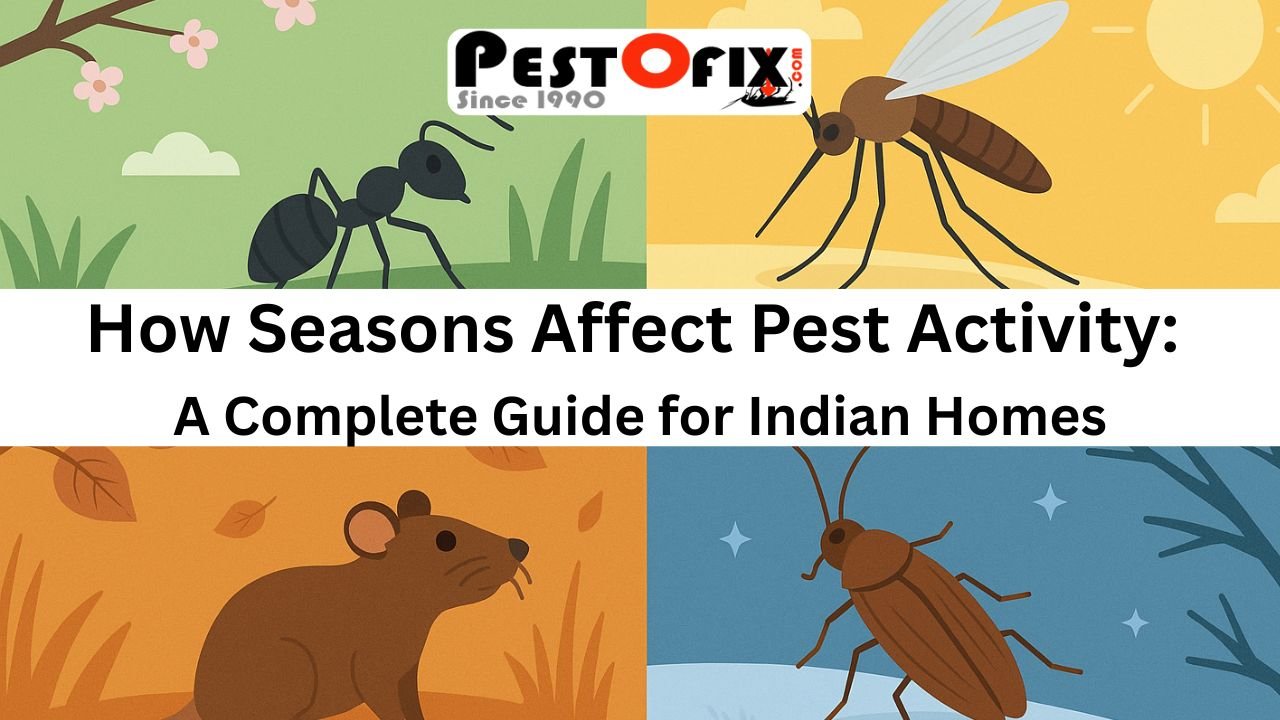
Every season brings its own charm — the freshness of spring, the heat of summer, the dampness of monsoon, and the chill of winter. But with these changes also come new challenges in pest control. Insects, rodents, and other pests respond differently to temperature, humidity, and light conditions. Understanding how seasons affect pest activity helps homeowners and businesses stay one step ahead, maintaining hygienic, pest-free spaces throughout the year.
In India, where the climate varies dramatically across regions, seasonal pest behavior becomes even more important. From cockroaches and mosquitoes in the monsoon to rodents and termites in winter, each season demands a different preventive strategy. Let’s explore how temperature and moisture influence pests — and how you can prepare in advance.
Why Do Pests Change with the Seasons?
Like most living creatures, pests rely on environmental conditions for survival and reproduction. Seasonal shifts affect their food sources, shelter options, and breeding cycles. Some pests go dormant during unfavorable weather, while others invade homes seeking warmth or moisture.
- Temperature: Warmth accelerates pest metabolism and breeding cycles, while cold can slow or halt activity.
- Humidity: High moisture levels support insects like termites, ants, and mosquitoes.
- Food Availability: Seasonal crops, garbage exposure, and organic waste determine pest feeding opportunities.
- Shelter: As outdoor conditions worsen, pests seek indoor environments for warmth or dryness.
Summer: The Peak Season for Pest Infestation
Summer is the most active time for pests in India. The high temperatures and humidity create ideal breeding conditions for many insects. Food spoilage and open garbage bins further invite uninvited guests.
Common Summer Pests
- Cockroaches: Thrive in humid kitchens and bathrooms; rapid reproduction during heat.
- Ants: Constantly forage for food and water sources indoors.
- Mosquitoes: Multiply in stagnant water; capable of spreading dengue, malaria, and chikungunya.
- Flies: Increased activity due to food waste and open drains.
- Rodents: Invade for cool shelter and leftover food.
Summer Pest Control Tips
- Keep all food stored in airtight containers.
- Clean drains and eliminate stagnant water daily.
- Use odourless insecticides or gel treatments for cockroaches and ants.
- Ensure garbage bins are tightly covered and emptied regularly.
- Install window and door mesh screens to block flying insects.
Monsoon: Moisture and Breeding Explosion
During the rainy season, moisture increases dramatically — perfect for pests like termites, mosquitoes, and fungus gnats. Monsoon also causes dampness in walls and basements, creating hidden pest harborage points.
Common Monsoon Pests
- Termites: Moist soil encourages colony expansion and wood infestation.
- Mosquitoes: Waterlogged areas and gutters become breeding grounds.
- Ants: Relocate their colonies indoors to escape flooding.
- Centipedes & Millipedes: Crawl indoors seeking dry shelter.
- Snails and Slugs: Damage gardens and damp outdoor areas.
Monsoon Pest Control Tips
- Inspect wooden furniture and walls for early signs of termite activity.
- Keep surroundings clean and ensure no water stagnates near your home.
- Use mosquito repellents and install electric traps near dark corners.
- Apply anti-termite barriers for pre-monsoon prevention.
- Seal cracks in walls, doors, and windows to prevent entry.
Winter: Shelter Seekers Take Over
As temperatures drop, pests seek warmth indoors. While insect activity declines, rodents, spiders, and cockroaches become more noticeable. They invade kitchens, basements, and storage rooms for survival.
Common Winter Pests
- Rats and Mice: Enter through holes and vents; chew on wires and contaminate food.
- Cockroaches: Move indoors to escape the cold; hide in dark, warm spots near stoves and heaters.
- Spiders: Build webs in corners and storage areas for insects seeking shelter.
- Silverfish: Thrive in paper and fabric stored in damp basements.
Winter Pest Control Tips
- Seal entry points such as wall cracks, vents, and pipes.
- Store grains and food items in sealed containers.
- Inspect attics, lofts, and cupboards regularly for droppings or gnaw marks.
- Use rodent bait stations or humane traps for mice control.
- Maintain warmth and dryness — pests prefer cold, damp corners.
Spring: The Reawakening of Pests
Spring marks the end of winter dormancy, and many pests begin breeding again. As humidity rises and temperatures stabilize, insects become active in search of food and nesting spots.
Common Spring Pests
- Termites: Begin swarming and building new colonies.
- Ants: Rebuild nests and start foraging actively.
- Bees and Wasps: Start constructing new hives in roof spaces and gardens.
- Flies: Return as organic waste increases in warmer weather.
Spring Pest Control Tips
- Clean your home deeply after winter — remove clutter and unused boxes.
- Inspect walls, furniture, and woodwork for termite signs.
- Repair leaking taps or pipes to avoid damp spots.
- Trim garden shrubs and remove standing water containers.
How Weather Patterns Influence Pest Reproduction
Temperature and moisture are the two most powerful influencers of pest reproduction rates. A rise in warmth and humidity shortens the life cycle of insects, leading to exponential growth in population.
- Cockroaches: Double their breeding speed when temperatures exceed 25°C.
- Mosquitoes: Complete their life cycle in 7–10 days in humid weather.
- Rodents: Breed all year but peak during the cold when indoors.
- Termites: Swarming season coincides with high humidity and post-rainfall warmth.
Regional Climate Differences in India
India’s diverse climate means pest patterns vary by region:
- North India: Rodents and cockroaches dominate winter; mosquitoes rise post-monsoon.
- Coastal India: High humidity sustains termites, ants, and mosquitoes year-round.
- Dry Central Regions: Less pest variety, but stored-grain pests are common.
- Hilly Areas: Spiders and rodents thrive during colder months.
Proactive Pest Management Throughout the Year
Rather than reacting to infestations, adopt a year-round integrated pest management (IPM) strategy. This combines regular inspection, sanitation, preventive sealing, and safe treatments.
- Schedule quarterly professional pest control services.
- Maintain cleanliness and reduce clutter.
- Use eco-friendly products for long-term control.
- Monitor high-risk zones like kitchens, drains, and storerooms.
- Educate family members about prevention practices.
Conclusion
Each season presents unique challenges in pest management. While summer and monsoon bring insect explosions, winter and spring often push pests indoors in search of warmth and nesting areas. Recognizing these seasonal patterns allows you to take preventive action before problems arise. With timely inspection, proper hygiene, and professional pest control, you can ensure your home remains pest-free throughout the year.
Whether it’s odourless treatments, termite barriers, or rodent control, understanding seasonal pest behavior is the key to effective, long-lasting protection for your home or business.

No comments yet — be the first!